

What are the medical - grade standards for a Black Iron Cross Fitting?
Dec 17, 2025
As a supplier of Black Iron Cross Fittings, I often encounter inquiries regarding the medical - grade standards for these products. In the medical field, the requirements for equipment and components are extremely stringent to ensure patient safety and the effectiveness of medical procedures. This blog aims to delve into the medical - grade standards for Black Iron Cross Fittings, providing a comprehensive overview for potential customers.
1. Material Purity
Medical - grade Black Iron Cross Fittings must meet high standards of material purity. The iron used should be free from harmful contaminants such as heavy metals (e.g., lead, mercury, cadmium) and other impurities that could leach into the medical system. These contaminants can have adverse effects on patients' health, causing various diseases and complications.
For instance, lead is a well - known neurotoxin that can damage the nervous system, especially in children and the elderly. Therefore, the iron used in medical - grade fittings is typically sourced from high - quality mines and undergoes rigorous refining processes. The purity of the iron should be verified through chemical analysis, such as atomic absorption spectroscopy or inductively coupled plasma mass spectrometry (ICP - MS). These techniques can accurately detect and quantify trace amounts of contaminants, ensuring that the fittings meet the strict purity requirements of the medical industry.
2. Corrosion Resistance
In the medical environment, Black Iron Cross Fittings may come into contact with various substances such as disinfectants, saline solutions, and body fluids. Therefore, they need to have excellent corrosion resistance to prevent rusting and degradation, which could compromise the integrity of the medical system and introduce contaminants.
One way to enhance corrosion resistance is through surface treatment. For example, the fittings can be coated with a layer of anti - corrosion material, such as zinc or epoxy. Zinc coating provides a sacrificial layer that corrodes in preference to the iron, protecting the underlying metal. Epoxy coatings form a barrier that isolates the iron from the external environment, preventing the penetration of corrosive substances.
The corrosion resistance of the fittings should be tested using methods like salt spray testing. In this test, the fittings are exposed to a salt - rich environment for a specified period, and the degree of corrosion is evaluated. Fittings meeting medical - grade standards should show minimal signs of corrosion after the test.
3. Physical Dimensions and Tolerances
Precise physical dimensions and tight tolerances are crucial for medical - grade Black Iron Cross Fittings. Any deviation from the specified dimensions can lead to improper fitting, leaks, or malfunction in the medical equipment.
The dimensions of the fittings, such as the inner and outer diameters, wall thickness, and length, should be accurately measured during the manufacturing process. Advanced measuring tools, like calipers, micrometers, and coordinate measuring machines (CMMs), are used to ensure that the dimensions fall within the required tolerance range. For example, the inner diameter of a medical - grade Black Iron Cross Fitting may have a tolerance of ±0.05 mm. This high level of precision ensures that the fittings can be seamlessly integrated into the medical system without causing any issues.
4. Biocompatibility
Since medical - grade Black Iron Cross Fittings may come into contact with the human body or biological fluids, they must be biocompatible. Biocompatibility refers to the ability of a material to perform with an appropriate host response in a specific application.
When a fitting is in contact with the human body, it should not cause any adverse reactions such as inflammation, allergic responses, or cytotoxicity. To assess biocompatibility, in vitro and in vivo tests are conducted. In vitro tests involve exposing the fitting material to cell cultures and observing the cell behavior. If the cells show normal growth and function, it indicates that the material is likely to be biocompatible. In vivo tests, on the other hand, are performed on animals to evaluate the long - term effects of the material on living organisms.
5. Sterilization Compatibility
Medical - grade Black Iron Cross Fittings need to be compatible with various sterilization methods. Sterilization is essential to eliminate microorganisms and prevent infections in the medical setting.
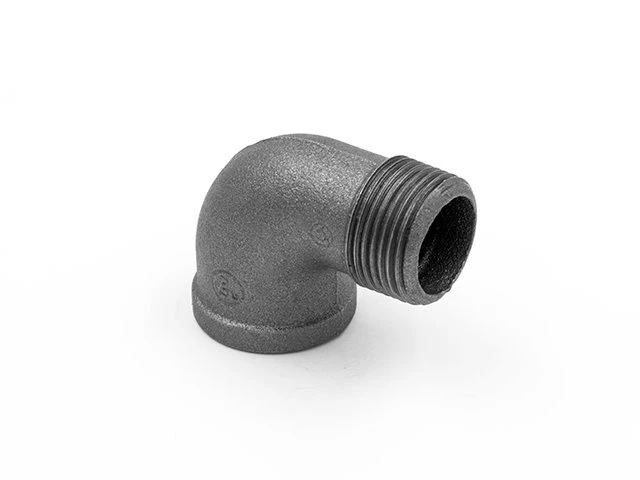
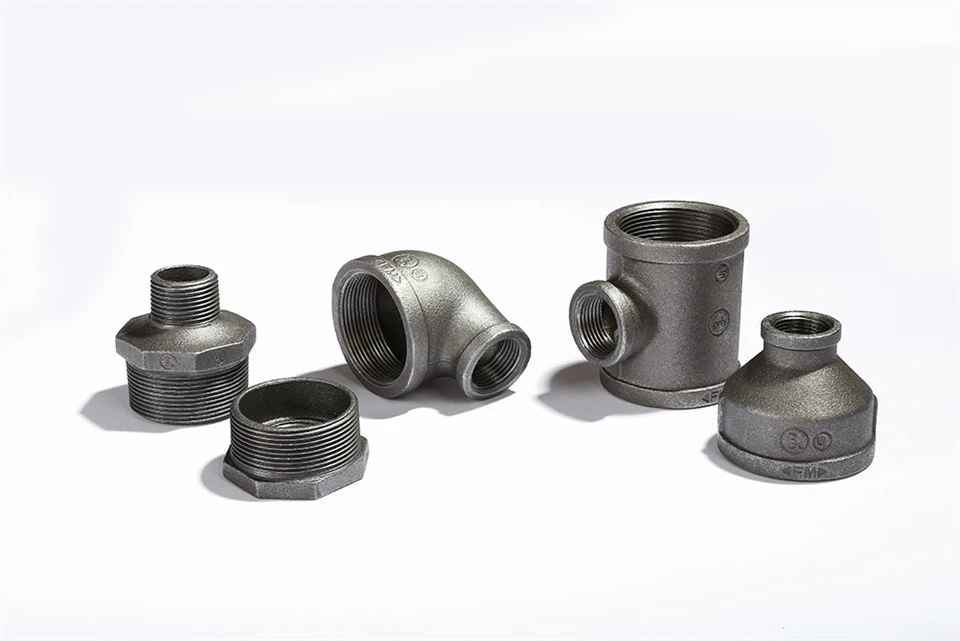
Common sterilization methods include steam sterilization, ethylene oxide sterilization, and gamma irradiation. The fittings should be able to withstand the conditions of these sterilization processes without significant changes in their physical and chemical properties. For example, steam sterilization is carried out at high temperatures and pressures. The fittings should not deform or corrode under these conditions. Ethylene oxide sterilization involves exposure to a gas that can penetrate the material. The fitting material should be resistant to the chemical effects of ethylene oxide. Gamma irradiation uses high - energy radiation to kill microorganisms. The fittings should not become brittle or lose their mechanical strength after irradiation.
6. Traceability and Documentation
In the medical industry, traceability is of utmost importance. Every Black Iron Cross Fitting should have a unique identification number, and detailed documentation should be available regarding its manufacturing process, material sourcing, and quality control tests.
This documentation allows for easy tracking of the product's history. In case of any quality issues or recalls, the manufacturer can quickly identify the affected batches and take appropriate actions. It also provides assurance to the customers that the products meet the required medical - grade standards.
Comparison with Related Products
While discussing the medical - grade standards for Black Iron Cross Fittings, it's worth comparing them with some related products. For instance, Black Malleable Iron is also used in various piping applications. However, malleable iron may have different properties and standards compared to black iron. Malleable iron is more ductile and can withstand some bending without breaking. In a medical setting, the choice between black iron and malleable iron depends on the specific requirements of the application.
Another related product is the Cast Iron 90 Degree Elbow. Cast iron has different material characteristics compared to black iron. Cast iron is generally more brittle but may have better casting properties, allowing for more complex shapes. When considering a medical - grade application, the choice between a black iron cross fitting and a cast iron 90 - degree elbow will depend on factors such as the flow requirements, space limitations, and the overall design of the medical system.
The Black Iron Pipe Fittings Mf Bend is also a relevant product. Similar to the cross fitting, the bend needs to meet strict medical - grade standards. However, the bend has a different shape, which may affect the flow dynamics and the installation process in a medical system.
Conclusion
In conclusion, the medical - grade standards for Black Iron Cross Fittings are comprehensive and strict, covering aspects such as material purity, corrosion resistance, physical dimensions, biocompatibility, sterilization compatibility, and traceability. As a supplier, we are committed to ensuring that our products meet these high - level standards to provide safe and reliable solutions for the medical industry.
If you are in the market for high - quality medical - grade Black Iron Cross Fittings, we invite you to contact us for further discussions. We are ready to provide detailed product information, samples, and pricing to meet your specific needs. Our team of experts is also available to offer technical support and advice on the selection and application of our products.
References
- ASTM International Standards for Medical - Grade Metals
- ISO 10993 series for Biological Evaluation of Medical Devices
- Medical Device Regulations and Guidelines from relevant regulatory authorities