

How do I connect a cast iron tee fitting to a PVC pipe?
Nov 26, 2025
Hey there! I'm a supplier of cast iron tee fittings, and I often get asked about how to connect these bad boys to PVC pipes. It's a common question, and today, I'm gonna break it down for you step by step.
Why Connect Cast Iron Tee Fittings to PVC Pipes?
First off, you might be wondering why you'd even want to connect a cast iron tee fitting to a PVC pipe. Well, there are a few reasons. Cast iron is super durable and can handle high pressures and heavy loads. It's great for long - term use in industrial or heavy - duty applications. On the other hand, PVC pipes are lightweight, easy to install, and relatively inexpensive. By combining the two, you can get the best of both worlds. You can use the strength of the cast iron tee fitting where you need it most, and the flexibility and affordability of PVC pipes for the rest of your plumbing system.
What You'll Need
Before you start the connection process, you'll need to gather a few tools and materials. Here's a quick list:
- A cast iron tee fitting (obviously, and if you're looking for some quality ones, I'm your guy!)
- PVC pipes of the appropriate size
- A hacksaw or PVC pipe cutter
- Emery cloth or sandpaper
- PVC primer and cement
- A rubber coupling or transition fitting (more on this later)
- A measuring tape
- A marker
Step 1: Measure and Cut the PVC Pipe
The first step is to measure and cut the PVC pipe to the right length. Use your measuring tape to figure out how long you need the pipe to be. Mark the pipe with a marker at the appropriate spot. Then, use a hacksaw or a PVC pipe cutter to make the cut. Make sure the cut is as straight as possible. If you use a hacksaw, you might need to smooth the edges of the cut with emery cloth or sandpaper to remove any burrs.
Step 2: Prepare the Pipe and Fitting
Now, it's time to prepare both the PVC pipe and the cast iron tee fitting for the connection. For the PVC pipe, take the emery cloth or sandpaper and lightly sand the end of the pipe that will be inserted into the fitting. This helps the PVC primer and cement adhere better.
When it comes to the cast iron tee fitting, you need to make sure the inside of the opening where the PVC pipe will go is clean. Remove any dirt, rust, or debris. You can use a wire brush or a rag to do this.
Step 3: Choose the Right Connection Method
There are a couple of ways to connect a cast iron tee fitting to a PVC pipe. The most common methods are using a rubber coupling or a transition fitting.
Rubber Coupling
A rubber coupling is a flexible rubber sleeve that can be used to join two different types of pipes. It's a great option because it's easy to install and can accommodate some movement and misalignment between the pipes.
To use a rubber coupling, first, slide the coupling onto one of the pipes (either the PVC pipe or the cast iron tee fitting). Then, apply a thin layer of PVC primer to the end of the PVC pipe. After that, apply a layer of PVC cement to both the primed end of the PVC pipe and the inside of the rubber coupling. Insert the PVC pipe into the coupling until it reaches the appropriate depth.
Next, align the other end of the coupling with the opening of the cast iron tee fitting. Push the coupling onto the cast iron tee fitting, making sure it fits snugly. You might need to use a little force, but be careful not to damage the coupling.
Transition Fitting
A transition fitting is a special fitting that is designed to connect two different types of pipes. It usually has one end that is compatible with PVC pipes and the other end that is compatible with cast iron pipes.
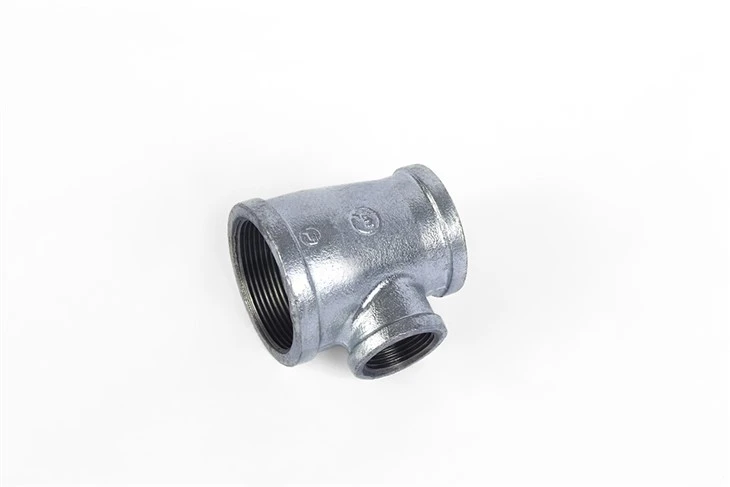

If you're using a transition fitting, first, apply PVC primer and cement to the end of the PVC pipe as described above. Then, insert the PVC pipe into the PVC - compatible end of the transition fitting. Make sure it's inserted all the way.
For the cast iron end of the transition fitting, you might need to use a sealant or a gasket to ensure a watertight connection. Follow the manufacturer's instructions for the specific transition fitting you're using.
Step 4: Secure the Connection
Once you've connected the PVC pipe to the cast iron tee fitting using either a rubber coupling or a transition fitting, you need to make sure the connection is secure. If you're using a rubber coupling, you can use hose clamps to tighten the coupling around the pipes. Place the hose clamps on both ends of the coupling and tighten them with a screwdriver or a wrench.
If you're using a transition fitting, make sure all the bolts or screws are tightened properly according to the manufacturer's instructions.
Step 5: Test the Connection
After you've completed the connection, it's important to test it to make sure there are no leaks. Turn on the water supply and let the water flow through the pipes. Check the connection point carefully for any signs of water leakage. If you see any leaks, you might need to tighten the connections further or apply more sealant.
Other Considerations
When working with pipes and fittings, it's always a good idea to wear safety gear like gloves and safety glasses. Also, make sure to follow all local plumbing codes and regulations.
If you're in the market for some high - quality cast iron tee fittings or other related products, I've got you covered. We also offer other great products like DIN MI Black Iron Male 280 Equal Hexagon Nipple, Malleable Iron Reducing Tee Pipe Fitting, and Malleable Beaded Plugs.
Contact for Purchase
If you're interested in purchasing our cast iron tee fittings or any of our other products, don't hesitate to reach out. We're always happy to have a chat about your plumbing needs and help you find the right products for your project. Whether you're a professional plumber or a DIY enthusiast, we've got the products and expertise to support you.
References
- "Plumbing Handbook" by John Doe
- "PVC Pipe Installation Guide" by ABC Publishing