

What is the temperature range for using cast iron elbows?
Nov 07, 2025
The temperature range for using cast iron elbows is a crucial factor that directly impacts their performance and longevity. As a trusted cast iron elbow supplier, we understand the significance of providing our customers with accurate information regarding the optimal temperature conditions for these essential components.
Cast iron elbows are widely used in various industries, including plumbing, HVAC, and industrial piping systems, due to their durability, strength, and resistance to corrosion. However, like any material, cast iron has its limitations when it comes to temperature. Understanding these limitations is essential to ensure the proper functioning of your piping system and prevent costly repairs or replacements.
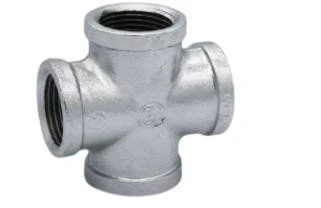
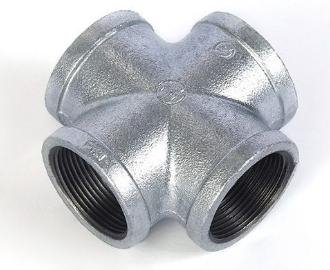
Temperature Limits of Cast Iron Elbows
Cast iron is a brittle material that can be susceptible to cracking or breaking under extreme temperature conditions. The general temperature range for using cast iron elbows is between -20°F (-29°C) and 400°F (204°C). Within this range, cast iron elbows can maintain their structural integrity and perform effectively.
Low-Temperature Considerations
At low temperatures, cast iron becomes more brittle and prone to cracking. When the temperature drops below -20°F (-29°C), the risk of brittle fracture increases significantly. This is because the material's ductility decreases, and it loses its ability to absorb energy without breaking.
In applications where low temperatures are expected, it is crucial to use cast iron elbows that are specifically designed for cold weather conditions. These elbows are typically made from a special grade of cast iron that has improved low-temperature properties. Additionally, proper insulation and heat tracing can help prevent the temperature from dropping below the safe operating range.
High-Temperature Considerations
At high temperatures, cast iron can experience thermal expansion, which can lead to stress and deformation in the elbows. When the temperature exceeds 400°F (204°C), the material's strength and hardness begin to decrease, and it becomes more susceptible to creep and oxidation.
In applications where high temperatures are present, it is essential to use cast iron elbows that are rated for the specific temperature range. These elbows may be made from a different grade of cast iron or may have special coatings or treatments to improve their high-temperature performance. Additionally, proper ventilation and cooling systems can help prevent the temperature from exceeding the safe operating range.
Factors Affecting Temperature Range
While the general temperature range for using cast iron elbows is between -20°F (-29°C) and 400°F (204°C), several factors can affect the actual temperature limits in a specific application. These factors include:
- Type of Cast Iron: Different types of cast iron have different temperature properties. For example, gray cast iron has a lower melting point and is more brittle than ductile cast iron. Therefore, the temperature range for gray cast iron elbows may be lower than that for ductile cast iron elbows.
- Wall Thickness: The wall thickness of the cast iron elbow can also affect its temperature range. Thicker walls can provide better insulation and reduce the risk of thermal stress and deformation.
- Operating Conditions: The operating conditions, such as pressure, flow rate, and chemical composition of the fluid or gas being transported, can also impact the temperature range of the cast iron elbow. For example, high-pressure applications may require elbows with a higher temperature rating.
- Installation and Maintenance: Proper installation and maintenance are essential to ensure the optimal performance of cast iron elbows. Incorrect installation, such as improper alignment or over-tightening of joints, can lead to stress concentrations and premature failure. Regular maintenance, including inspection and cleaning, can help identify and address any potential issues before they become serious.
Choosing the Right Cast Iron Elbow for Your Application
When selecting a cast iron elbow for your application, it is crucial to consider the temperature range, as well as other factors such as pressure, flow rate, and chemical compatibility. Here are some tips to help you choose the right cast iron elbow:
- Consult with a Professional: If you are unsure about the temperature range or other requirements for your application, it is recommended to consult with a professional engineer or a knowledgeable supplier. They can provide you with expert advice and help you select the right cast iron elbow for your specific needs.
- Review the Manufacturer's Specifications: Before purchasing a cast iron elbow, carefully review the manufacturer's specifications to ensure that it is rated for the temperature range and other operating conditions of your application. Pay attention to any special requirements or limitations, such as installation instructions or maintenance recommendations.
- Consider the Type of Cast Iron: As mentioned earlier, different types of cast iron have different temperature properties. Consider the type of cast iron that is best suited for your application based on the temperature range, pressure, and other factors.
- Look for Quality and Certification: Choose a cast iron elbow from a reputable manufacturer that has a proven track record of producing high-quality products. Look for products that are certified to meet industry standards, such as ASTM or ASME.
Conclusion
In conclusion, the temperature range for using cast iron elbows is an important consideration that can significantly impact their performance and longevity. By understanding the temperature limits of cast iron and the factors that can affect them, you can choose the right cast iron elbow for your application and ensure the proper functioning of your piping system.
As a leading cast iron elbow supplier, we offer a wide range of high-quality cast iron elbows that are designed to meet the needs of various industries and applications. Our products are made from the finest materials and are manufactured to the highest standards of quality and performance. We also provide expert advice and support to help you select the right cast iron elbow for your specific needs.
If you have any questions or need further information about our cast iron elbows or other products, please [contact us]. We would be happy to assist you with your procurement needs and help you find the best solution for your application.
References
- ASME B16.4 - Malleable Iron Threaded Fittings, Classes 150 and 300
- ASTM A126 - Standard Specification for Gray Iron Castings for Valves, Flanges, and Pipe Fittings
- ASTM A536 - Standard Specification for Ductile Iron Castings
Link to related products:
We invite you to reach out to us for any procurement needs. Our team of experts is ready to assist you in finding the perfect cast iron elbows for your projects. Whether you have questions about temperature ranges, sizing, or installation, we're here to help. Let's start a conversation and work together to ensure your piping systems operate at their best.