

What is the production process of a Black Iron Street Elbow?
Nov 05, 2025
Hey there! As a supplier of Black Iron Street Elbows, I'm stoked to take you behind the scenes and walk you through the production process of these nifty little fittings. Black Iron Street Elbows are super important in plumbing and piping systems, and knowing how they're made can give you a better understanding of their quality and reliability.

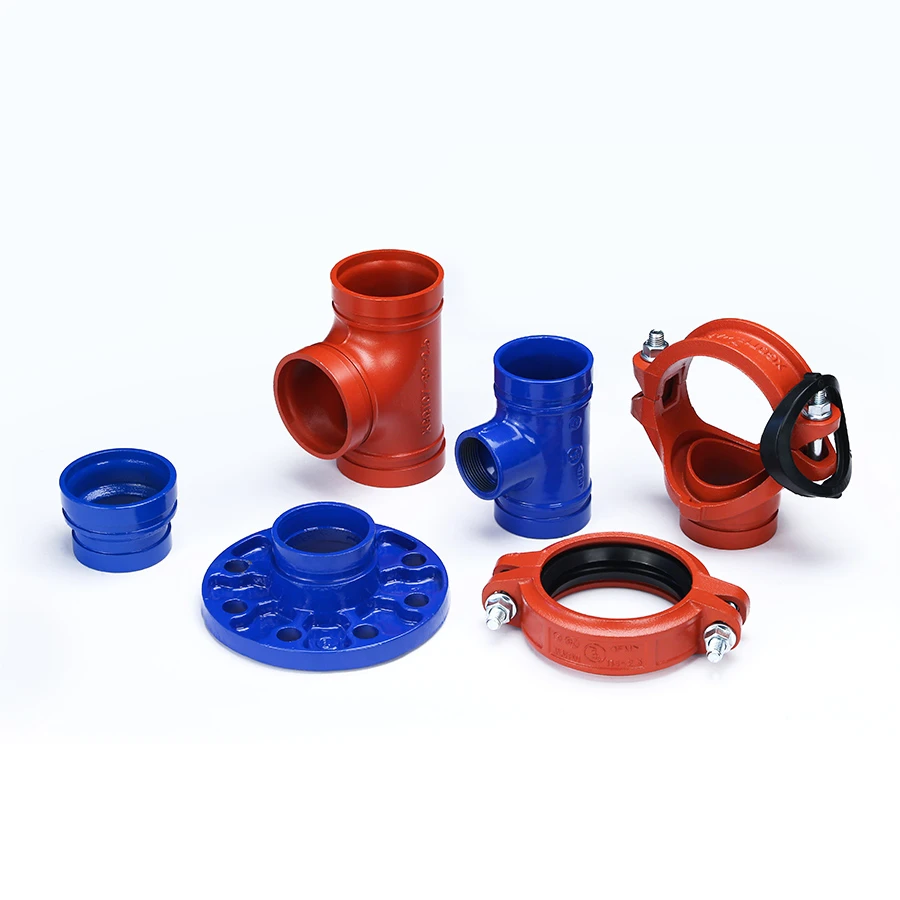
1. Raw Material Selection
The first step in making a Black Iron Street Elbow is choosing the right raw materials. We typically use black iron, which is a type of low - carbon steel known for its strength and durability. The quality of the raw material is crucial because it directly affects the performance of the final product. We source our black iron from trusted suppliers who meet strict quality standards. This ensures that our elbows can withstand high pressure and resist corrosion over time.
2. Cutting the Pipe
Once we have the raw black iron pipe, the next step is to cut it into the appropriate lengths. We use specialized cutting machines that can make precise cuts. The length of the pipe segments depends on the size of the elbow we're making. For example, if we're producing a 1 - inch Black Iron Street Elbow, the pipe segments will be cut to a length that allows for the proper bending and threading later on. This cutting process is really important as it sets the foundation for the rest of the production.
3. Bending the Pipe
After cutting, it's time to bend the pipe into the elbow shape. There are a few different methods we can use for bending. One common method is hot bending, where the pipe is heated to a high temperature until it becomes malleable. Then, it's carefully bent using a bending machine. Another method is cold bending, which is used for smaller - sized elbows. Cold bending is done at room temperature and is a more cost - effective option for certain applications. The angle of the bend is usually 90 degrees for a standard street elbow, but we can also make elbows with other angles depending on the customer's needs.
4. Machining and Threading
Once the pipe is bent into the elbow shape, we move on to machining and threading. Machining is used to smooth out the surfaces of the elbow and ensure that it meets the required dimensions. We use lathes and other machining tools to remove any rough edges or imperfections. After machining, we thread the ends of the elbow. Threading is crucial because it allows the elbow to be easily connected to other pipes or fittings in a plumbing system. We use high - quality threading machines that can create precise and consistent threads. The type of thread can vary, but NPT (National Pipe Thread) is a common standard for Black Iron Street Elbows.
5. Heat Treatment
Heat treatment is an important step in the production process as it improves the mechanical properties of the elbow. After bending and threading, the elbows are heat - treated in a furnace. The heat treatment process involves heating the elbows to a specific temperature and then cooling them at a controlled rate. This can increase the strength, hardness, and toughness of the black iron. There are different types of heat treatment, such as annealing, normalizing, and quenching, and we choose the appropriate method based on the requirements of the final product.
6. Cleaning and Coating
After heat treatment, the elbows are cleaned to remove any dirt, scale, or debris. We use a combination of mechanical cleaning methods, like sandblasting, and chemical cleaning agents. Once the elbows are clean, we apply a coating to protect them from corrosion. A common coating for Black Iron Street Elbows is a black oxide coating, which not only provides corrosion resistance but also gives the elbows their characteristic black color. Some customers may also request other types of coatings, such as galvanized coatings, for added protection in more corrosive environments.
7. Quality Control
Quality control is a continuous process throughout the production of Black Iron Street Elbows. At each stage, we conduct inspections to ensure that the elbows meet our quality standards. We check the dimensions, the angle of the bend, the quality of the threads, and the integrity of the coating. We use a variety of measuring tools, such as calipers, micrometers, and angle gauges, to make these measurements. We also perform pressure tests to ensure that the elbows can withstand the pressure they'll be subjected to in a real - world plumbing system. Only after passing all these quality control checks are the elbows ready for packaging and shipping.
8. Packaging and Shipping
Once the elbows have passed quality control, they're carefully packaged to prevent damage during shipping. We use sturdy boxes or crates and add protective materials, like foam or bubble wrap, to cushion the elbows. We label the packages clearly with information about the product, such as the size, the quantity, and the manufacturing date. Then, we work with reliable shipping partners to get the elbows to our customers as quickly and safely as possible.
Why Choose Our Black Iron Street Elbows?
We take pride in our production process and the quality of our Black Iron Street Elbows. Our elbows are made with high - quality materials and go through strict quality control measures. We also offer a wide range of sizes and configurations to meet the diverse needs of our customers. Whether you're working on a small plumbing project at home or a large - scale industrial installation, we've got the right elbow for you.
If you're interested in learning more about our other products, you can check out our Malleable Long Sweep Bend Conduit Elbow, Iron Pipe Fittings, and Threaded Gi Elbow Cast Iron.
If you're in the market for Black Iron Street Elbows or any of our other products, don't hesitate to reach out to us. We're always happy to discuss your needs and provide you with a quote. Whether you're a contractor, a DIY enthusiast, or a business owner, we're here to help you find the perfect piping solutions.
References
- "Pipe Fittings Handbook" by John Doe
- "Manufacturing Processes for Engineering Materials" by Steven R. Schmid