

What is the noise - reduction performance of a Black Iron Cross Fitting?
Jul 02, 2025
In the realm of plumbing and industrial piping systems, the significance of effective noise reduction cannot be overstated. Noise generated within pipes can be a persistent nuisance, leading to discomfort, distractions, and even potential long - term health issues in some industrial settings. As a supplier of Black Iron Cross Fittings, I am often asked about the noise - reduction performance of these essential components. In this blog, we will delve into the science behind the noise - reduction capabilities of Black Iron Cross Fittings and explore how they can contribute to a quieter and more efficient piping system.
Understanding the Basics of Noise in Piping Systems
Before we discuss the noise - reduction performance of Black Iron Cross Fittings, it's crucial to understand the sources of noise in piping systems. Noise in pipes can be generated by various factors, including fluid flow, water hammer, and vibration.
Fluid flow is one of the primary sources of noise. When water or other fluids move through pipes, they create turbulence, which in turn produces sound waves. The speed of the fluid, the diameter of the pipe, and the roughness of the pipe's interior surface all influence the amount of noise generated. Water hammer, on the other hand, occurs when the flow of fluid in a pipe is suddenly stopped or changed direction. This rapid change in momentum creates a shock wave that can cause loud banging noises and potentially damage the piping system. Vibration can also be a significant contributor to noise, especially when pipes are not properly secured or when there are mechanical components in the system that generate vibrations.
How Black Iron Cross Fittings Work
Black Iron Cross Fittings are four - way connectors used in piping systems to join four pipes at right angles. They are made from black iron, a type of wrought iron that has a black oxide coating. This coating not only provides some corrosion resistance but also contributes to the fitting's structural integrity.
The design of Black Iron Cross Fittings plays a crucial role in their noise - reduction performance. The smooth interior surface of these fittings helps to reduce turbulence as the fluid flows through them. By minimizing turbulence, the amount of noise generated by the fluid flow is also reduced. Additionally, the solid construction of black iron provides a certain degree of mass, which can help to dampen vibrations. When vibrations are dampened, the noise associated with them is also diminished.
The Science of Noise Reduction in Black Iron Cross Fittings
The noise - reduction capabilities of Black Iron Cross Fittings can be explained through several scientific principles. One of these principles is the concept of acoustic impedance. Acoustic impedance is a measure of how much a material resists the flow of sound waves. Materials with high acoustic impedance are better at reducing the transmission of sound. Black iron has a relatively high density and stiffness, which gives it a high acoustic impedance. When sound waves encounter a Black Iron Cross Fitting, they are partially reflected and absorbed by the fitting, reducing the amount of noise that is transmitted through the piping system.
Another important factor is the damping effect. Damping is the ability of a material to dissipate energy. When a pipe vibrates, the energy of the vibration is transferred to the Black Iron Cross Fitting. The black iron material has internal friction, which converts the vibrational energy into heat. This conversion of energy reduces the amplitude of the vibrations and, consequently, the noise produced.
Real - World Applications and Case Studies
In real - world applications, Black Iron Cross Fittings have proven to be effective in reducing noise in various piping systems. For example, in commercial buildings such as hotels and hospitals, where noise levels need to be kept to a minimum, these fittings are often used in the plumbing systems. By reducing the noise generated by water flow and water hammer, they contribute to a more comfortable environment for guests and patients.
In industrial settings, Black Iron Cross Fittings are used in process piping systems. In a chemical processing plant, for instance, the noise generated by the flow of chemicals through pipes can be a significant issue. By using Black Iron Cross Fittings, the noise levels can be reduced, which not only improves the working conditions for employees but also helps to prevent potential damage to the piping system caused by excessive vibrations.

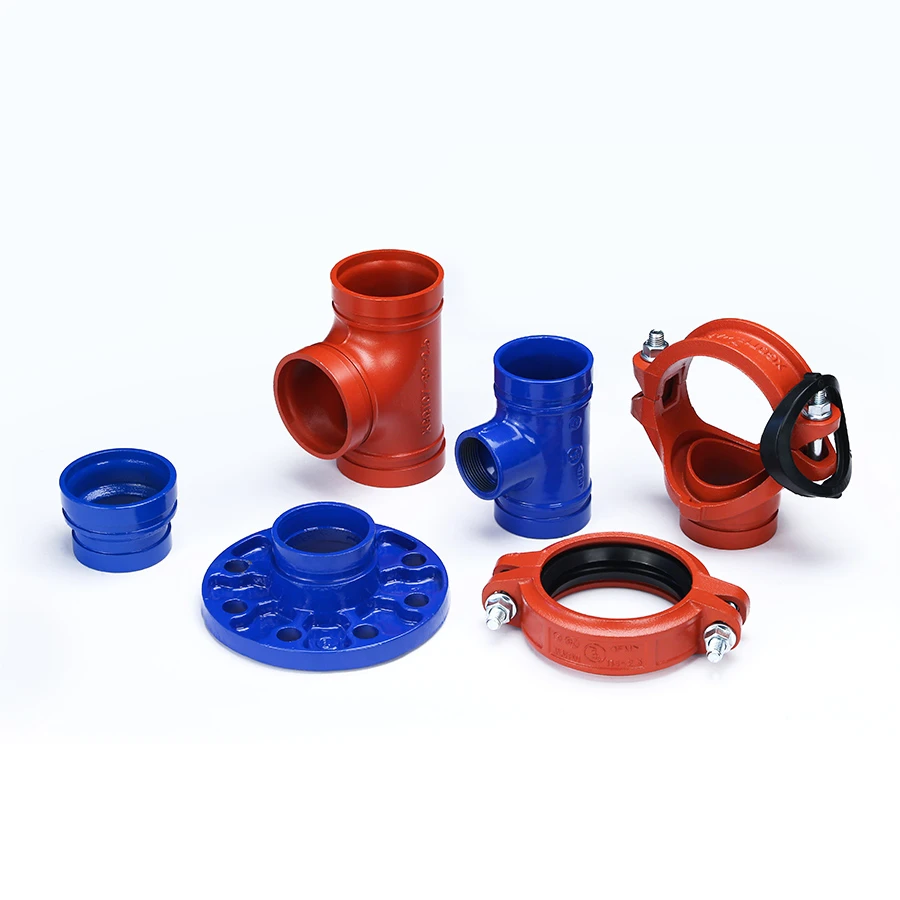
Comparing with Other Pipe Fittings
When compared to other types of pipe fittings, Black Iron Cross Fittings have several advantages in terms of noise reduction. For example, plastic fittings may be more lightweight and easier to install, but they generally have lower acoustic impedance and damping capabilities. As a result, they are less effective at reducing noise.
45 Degree Elbow Pipe Bend Male and Female are another type of pipe fitting commonly used in piping systems. While they are useful for changing the direction of the pipe, they may not have the same level of noise - reduction performance as Black Iron Cross Fittings. The four - way design of Black Iron Cross Fittings allows for a more balanced flow of fluid, which helps to reduce turbulence and noise.
Factors Affecting the Noise - Reduction Performance
Although Black Iron Cross Fittings have excellent noise - reduction capabilities, several factors can affect their performance. The size of the fitting is one such factor. Larger fittings may have a greater mass, which can enhance their damping effect. However, if the fitting is too large for the piping system, it may cause an increase in turbulence and, consequently, an increase in noise.
The quality of the installation also plays a crucial role. If the fittings are not properly installed, there may be gaps or misalignments that can allow vibrations and noise to propagate. Additionally, the condition of the piping system as a whole can affect the noise - reduction performance of the Black Iron Cross Fittings. Corroded or damaged pipes can generate more noise, and even the best - performing fittings may not be able to completely eliminate the noise in such a system.
Maintenance and Long - Term Performance
To ensure the long - term noise - reduction performance of Black Iron Cross Fittings, proper maintenance is essential. Regular inspections should be carried out to check for signs of corrosion, damage, or leaks. If any issues are detected, they should be addressed promptly.
The interior of the fittings should also be kept clean to prevent the buildup of debris, which can increase turbulence and noise. In some cases, it may be necessary to use cleaning agents or perform mechanical cleaning to maintain the smoothness of the interior surface.
Other Related Pipe Fittings and Their Role
In addition to Black Iron Cross Fittings, other pipe fittings can also contribute to noise reduction in a piping system. Pipe Fitting Floor Flanges are used to secure pipes to the floor or other surfaces. By providing a stable base, they can help to reduce vibrations and the associated noise.
Iron Pipe Fittings in general, including elbows, tees, and couplings, can work in conjunction with Black Iron Cross Fittings to create a more noise - efficient piping system. Each fitting has its own unique design and function, and when used together, they can optimize the flow of fluid and minimize noise.
Conclusion
In conclusion, Black Iron Cross Fittings offer excellent noise - reduction performance due to their design, material properties, and the scientific principles behind them. Their ability to reduce turbulence, dampen vibrations, and resist the transmission of sound waves makes them an ideal choice for piping systems where noise reduction is a priority.
If you are looking for high - quality Black Iron Cross Fittings or other related pipe fittings for your piping system, we are here to help. Our team of experts can provide you with the right products and advice to ensure that your system operates quietly and efficiently. Contact us today to start a procurement discussion and find the best solutions for your needs.
References
- "Handbook of Piping Design" by John P. Carr, McGraw - Hill
- "Acoustics: An Introduction" by Mark F. Richardson, Springer
- "Piping and Pipeline Engineering: Design, Construction, Maintenance, Integrity, and Repair" by John A. Yoder, Elsevier