

What is the maximum temperature a black iron elbow can withstand?
Nov 20, 2025
Hey there! As a supplier of black iron elbows, I often get asked about the maximum temperature these bad boys can withstand. It's a crucial question, especially when you're dealing with high - heat applications. So, let's dig into it and find out what's what.
First off, black iron elbows are made from a type of steel that has a relatively high carbon content. This gives them strength and durability, but it also affects their heat - resistance. The maximum temperature a black iron elbow can handle depends on a few factors.
One of the main factors is the quality of the iron used. High - quality black iron elbows are made from well - refined steel that has better heat - treating properties. These elbows can generally withstand higher temperatures compared to lower - quality ones.
Another factor is the thickness of the elbow. Thicker elbows have more mass, which means they can absorb and dissipate heat better. A thicker black iron elbow will be able to handle higher temperatures without deforming or losing its structural integrity.
Typically, black iron elbows can withstand temperatures up to around 400 - 600 degrees Fahrenheit (about 204 - 316 degrees Celsius). At these temperatures, the iron starts to lose some of its strength, but it can still function for a limited time. However, if you're planning to use the elbow in a long - term high - heat environment, it's best to keep the temperature well below this range.
For example, in a residential heating system, the water in the pipes usually doesn't get hotter than 200 degrees Fahrenheit (about 93 degrees Celsius). Black iron elbows are more than capable of handling this temperature, and they'll last for a long time without any issues.
But in industrial applications, things can get a lot hotter. In some manufacturing processes, temperatures can reach well over 600 degrees Fahrenheit. In these cases, you might need to look into other materials or use additional insulation to protect the black iron elbow.
Now, let's talk about what happens when a black iron elbow is exposed to temperatures above its limit. When the temperature gets too high, the iron starts to expand. If the expansion is restricted, it can cause the elbow to crack or deform. This can lead to leaks in the pipeline, which can be a major headache, especially in industrial settings.
Moreover, high temperatures can also cause the iron to oxidize more quickly. Oxidation is a chemical reaction that occurs when the iron reacts with oxygen in the air. This can weaken the elbow over time and make it more prone to failure.
As a supplier, I always recommend doing a thorough assessment of your application before choosing a black iron elbow. Consider the temperature, pressure, and the type of fluid or gas that will be flowing through the pipeline. If you're unsure, it's a good idea to consult with a professional engineer.
Now, I also want to mention some of the other products we offer. We have Ductile Iron Pipe Couplings that are great for connecting different sections of pipes. These couplings are strong and reliable, and they can handle a wide range of temperatures and pressures.
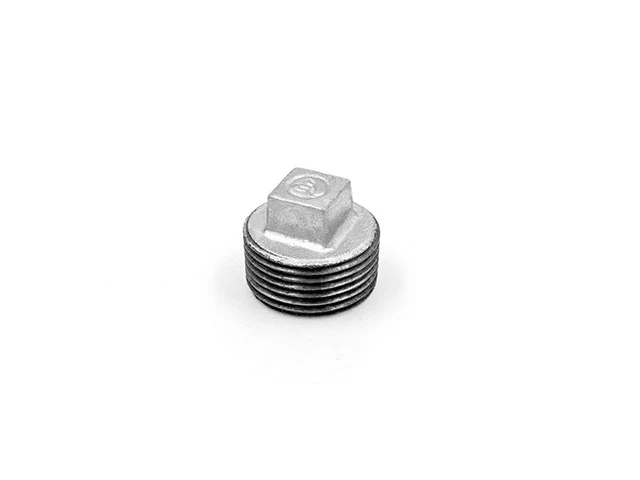
We also have Black Iron Pipe Plugs. These are useful for closing off the ends of pipes during maintenance or when you don't need a particular section of the pipeline to be open.
And if you're looking for something a bit more specialized, we offer Ductile Iron 85 Crossover. This product is designed for specific applications where you need a smooth transition between different pipe sizes or types.
If you're in the market for black iron elbows or any of our other products, we're here to help. Whether you're a contractor working on a large - scale project or a homeowner doing some DIY plumbing, we have the right products for you. We can provide you with detailed information about the products, including their temperature ratings and installation instructions.
Don't hesitate to reach out if you have any questions or if you're ready to place an order. We're committed to providing high - quality products and excellent customer service. Let's work together to find the perfect solutions for your piping needs.

References:
- "Metallurgy of Iron and Steel" by George E. Totten and D. Scott MacKenzie
- "Piping Handbook" by Nayyar W. R. and Mohinder L. Nayyar