

What is the expansion and contraction rate of cast iron tee fittings with temperature changes?
Jun 09, 2025
Hey there! I'm a supplier of Cast Iron Tee Fittings, and today I wanna chat about something super important in the world of plumbing and piping: the expansion and contraction rate of cast iron tee fittings with temperature changes.
First off, let's understand why we even care about this. In a piping system, temperature variations are a given. Whether it's hot water flowing through the pipes or the system being exposed to different outdoor temperatures, these changes can have a big impact on the materials used. Cast iron tee fittings are a popular choice in many plumbing and industrial applications because of their durability and strength. But they're not immune to the effects of temperature.
So, what exactly happens when the temperature changes? Well, like most materials, cast iron expands when heated and contracts when cooled. This is due to the basic principle of thermal expansion. When the molecules in the cast iron are heated, they gain energy and start to move more vigorously, causing the material to expand. Conversely, when it cools down, the molecules lose energy and move closer together, resulting in contraction.
The expansion and contraction rate of cast iron tee fittings is measured by a coefficient of thermal expansion (CTE). The CTE for cast iron is approximately 0.000006 to 0.000007 inches per inch per degree Fahrenheit (in/in/°F). This might seem like a tiny number, but when you're dealing with long lengths of piping or significant temperature changes, it can add up quickly.
Let's say you have a long run of cast iron pipes with tee fittings in a building. If the temperature inside the building increases by 50°F, the pipes and fittings will expand. If this expansion isn't properly accounted for, it can lead to a whole bunch of problems. For example, the fittings might start to leak, or the pipes could buckle or break under the stress.
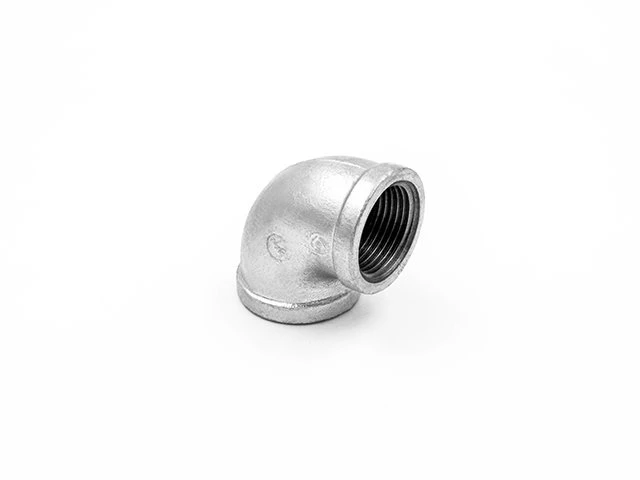
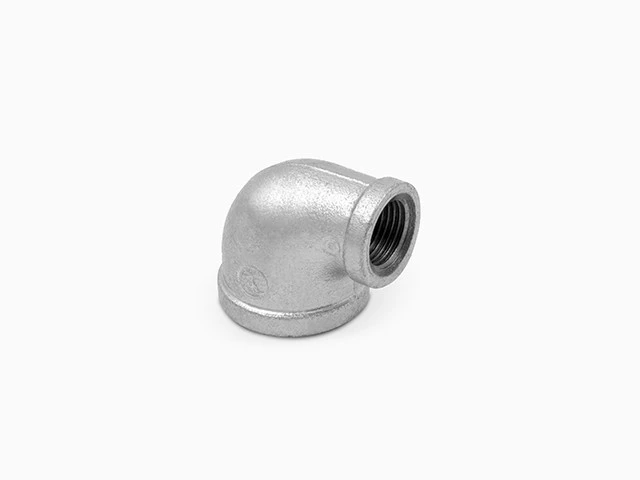
On the flip side, when the temperature drops, the contraction can also cause issues. The fittings might become loose, leading to leaks, or the pipes could crack if the contraction is too severe. That's why it's crucial to understand the expansion and contraction rate of cast iron tee fittings and take appropriate measures to accommodate these changes.
One way to deal with thermal expansion and contraction is to use expansion joints. These are flexible connectors that can absorb the movement caused by temperature changes. They're typically installed at regular intervals along the piping system to allow for expansion and contraction without putting too much stress on the pipes and fittings.
Another important factor to consider is the installation of the cast iron tee fittings. Proper installation techniques can help minimize the impact of temperature changes. For example, leaving some clearance between the fittings and other components can allow for expansion and contraction without causing damage.
Now, let's talk about some of the other products we offer that are related to cast iron tee fittings. We also have Malleable Iron 90 Degree Elbows. These are great for changing the direction of the piping system. They're made from malleable iron, which is known for its high strength and ductility.
We also have Threaded 90 Degree Elbow. These are easy to install and provide a secure connection between pipes. They're commonly used in plumbing and industrial applications where a tight seal is required.
And for those who need a more gradual change in direction, we offer Malleable Long Sweep Bend Conduit Elbows. These are designed to reduce friction and allow for smoother flow of fluids or gases through the piping system.
In conclusion, understanding the expansion and contraction rate of cast iron tee fittings with temperature changes is essential for ensuring the proper functioning and longevity of a piping system. By taking the necessary precautions, such as using expansion joints and following proper installation techniques, you can minimize the risks associated with thermal expansion and contraction.
If you're in the market for high-quality cast iron tee fittings or any of our other products, don't hesitate to reach out. We're here to help you find the right solutions for your plumbing and industrial needs. Whether you're a contractor, a DIY enthusiast, or an industrial professional, we have the products and expertise to meet your requirements. Contact us today to start a conversation about your project and how we can assist you.
References
- "Engineering Handbook of Materials"
- "Thermal Expansion in Piping Systems" by industry experts