

What is the electrical conductivity of a black iron pipe coupling?
Nov 24, 2025
Hey there! As a supplier of Black Iron Pipe Couplings, I often get asked about the electrical conductivity of these little but crucial components. So, let's dive right into it and break down what the electrical conductivity of a black iron pipe coupling is all about.
First off, what exactly is a black iron pipe coupling? Well, it's a type of fitting used to connect two pieces of black iron pipe together. These couplings are super handy in a bunch of applications, from plumbing to electrical conduit systems. They're made of black iron, which is basically iron that has a thin layer of black oxide on its surface. This oxide layer gives the pipe its characteristic black color and offers some protection against rust and corrosion.
Now, let's talk about electrical conductivity. Electrical conductivity is a measure of how easily an electric current can flow through a material. Metals are generally good conductors of electricity because they have free electrons that can move around easily. Iron, being a metal, is also a conductor. But when it comes to black iron pipe couplings, there are a few factors that can affect their electrical conductivity.
The first factor is the composition of the iron itself. Pure iron has a certain level of electrical conductivity, but most black iron pipe couplings aren't made of pure iron. They usually contain small amounts of other elements like carbon, silicon, and manganese. These impurities can affect the flow of electrons through the material, reducing its electrical conductivity to some extent.
Another factor is the black oxide layer on the surface of the coupling. This layer acts as an insulator to some degree. It's not a perfect insulator, but it does create a bit of a barrier for the electric current. So, while the iron inside the coupling can conduct electricity, the oxide layer can make it a bit more difficult for the current to flow freely.
The thickness of the coupling also plays a role. Thicker couplings will generally have a lower electrical conductivity compared to thinner ones. This is because the electric current has to travel through more material, which increases the resistance. Resistance is the opposite of conductivity – the higher the resistance, the lower the conductivity.
In practical applications, the electrical conductivity of black iron pipe couplings is often sufficient for many electrical conduit systems. For example, in residential and commercial buildings, these couplings are commonly used to connect electrical conduits that carry low-voltage wiring. The current flowing through these wires is usually not very high, so the relatively low conductivity of the couplings isn't a major issue.
However, in some high-power applications, like industrial electrical systems, the electrical conductivity of the couplings might need to be carefully considered. In these cases, it might be necessary to use couplings with a higher conductivity or to take steps to improve the conductivity of the existing couplings. One way to do this is by cleaning the surface of the coupling to remove the black oxide layer. This can be done using a wire brush or a chemical cleaner. But be careful when doing this, as removing the oxide layer can also expose the iron to corrosion.
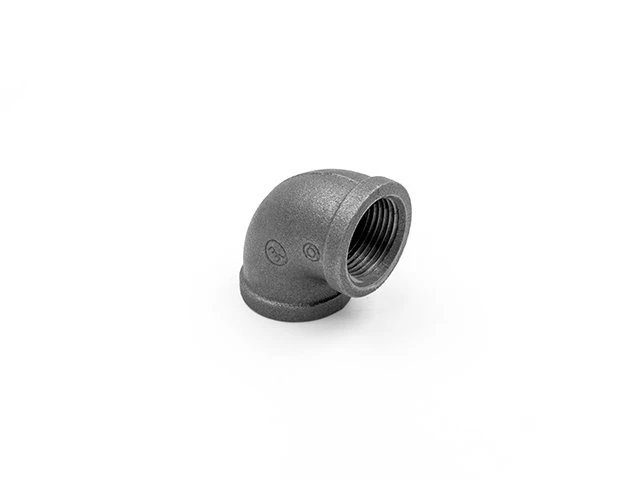
Now, let's take a look at some related products. If you're in the market for other types of pipe fittings, we also offer Malleable Long Sweep Bend Conduit Elbow. These elbows are great for making smooth bends in your conduit systems, allowing the wires to pass through easily. We also have Cast Iron Beaded Plug, which are used to seal the ends of pipes. And of course, our Black Iron Pipe Elbow is another popular choice for making 90-degree or other angle bends in your pipe systems.
When it comes to choosing the right pipe fittings for your electrical or plumbing project, it's important to consider the electrical conductivity as well as other factors like durability, corrosion resistance, and cost. Our black iron pipe couplings are designed to offer a good balance of these properties. They're strong, durable, and can handle a reasonable amount of electrical current.
If you're interested in learning more about our black iron pipe couplings or any of our other products, feel free to reach out. We're always happy to answer your questions and help you find the right fittings for your needs. Whether you're a contractor, an electrician, or a DIY enthusiast, we've got the products and the expertise to support your project.
In conclusion, the electrical conductivity of a black iron pipe coupling is influenced by its composition, the black oxide layer on its surface, and its thickness. While it's not the most conductive material out there, it's often sufficient for many common electrical applications. And with our wide range of pipe fittings, you can be sure to find the right solution for your project. So, don't hesitate to [get in touch](here you would put a real way to contact if you had one) if you're looking to purchase high-quality black iron pipe couplings or other related products. We're here to make your project a success!
References:

- "Materials Science and Engineering: An Introduction" by William D. Callister Jr. and David G. Rethwisch
- "Electrical Engineering Handbook" by Richard C. Dorf