

What is the chemical compatibility of a Threaded 90 Degree Elbow?
Jan 07, 2026
What is the chemical compatibility of a Threaded 90 Degree Elbow?
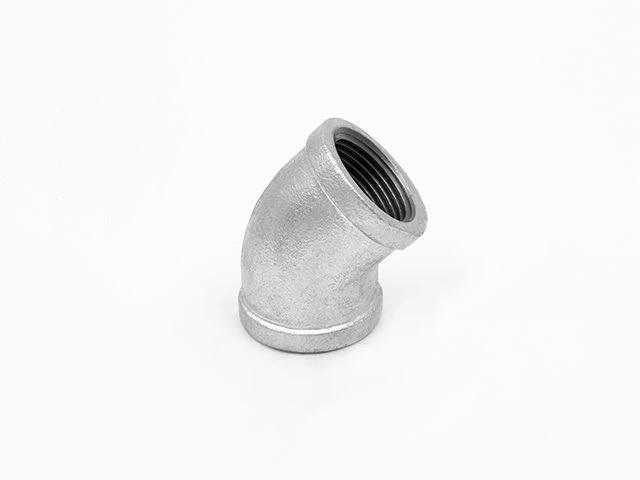
As a trusted supplier of Threaded 90 Degree Elbows, understanding the chemical compatibility of these essential components is pivotal. Chemical compatibility refers to the ability of a material to withstand the chemical environment it is exposed to without significant degradation or failure. In the context of Threaded 90 Degree Elbows, this means ensuring that the elbow material can maintain its integrity when in contact with various substances flowing through the pipes.
Material Factors Affecting Chemical Compatibility
The most common materials used for Threaded 90 Degree Elbows are malleable iron, cast iron, and black iron. Each material has its own set of chemical compatibility characteristics.
Malleable iron is a type of cast iron that has been heat - treated to improve its ductility. It is relatively resistant to a wide range of mild chemicals, including water, certain oils, and some benign industrial solvents. Its carbon content and the heat - treatment process give it a good balance of strength and corrosion resistance. However, it is not suitable for exposure to highly acidic or alkaline solutions. Prolonged contact with strong acids such as hydrochloric acid or sulfuric acid can cause the iron to dissolve, leading to the weakening of the elbow over time. For reference about malleable iron pipe fittings like Malleable Iron 45 Degree Branch Tee, we can access detailed guide on our website.
Cast iron has a higher carbon content than malleable iron, which makes it more brittle. It offers fair resistance to water and some weak chemical solutions but is more prone to corrosion compared to malleable iron. When exposed to aggressive chemicals or corrosive atmospheres, cast iron can develop rust and scale, which can reduce the internal diameter of the elbow and potentially cause blockages. Cast iron elbows need to be carefully selected based on the chemical environment, and in some cases, a protective coating may be required. More information on Cast Iron Elbow can be found on our website.
Black iron is a type of steel with a black oxide coating. This coating provides some protection against corrosion, but it is not suitable for use in highly corrosive environments. Black iron is commonly used in applications where the flowing medium is relatively non - reactive, such as in natural gas or water systems for residential use. In industrial settings, exposure to chemicals such as chlorine or ammonia can gradually break down the black oxide coating and lead to corrosion of the underlying steel. For more options like Black Iron Cross Fitting, you can visit our website.
Chemical Compatibility Testing
To accurately determine the chemical compatibility of a Threaded 90 Degree Elbow, various testing methods are employed. One of the most common approaches is immersion testing. In this method, a sample of the elbow material is immersed in the chemical solution of interest for a specified period. The sample is then inspected for signs of corrosion, such as weight loss, surface pitting, or changes in mechanical properties.
Another method is the exposure testing, where the elbow is installed in a real - world or simulated process environment and monitored over time. This method provides a more comprehensive understanding of how the elbow will perform under actual operating conditions, as it takes into account factors such as flow rate, temperature, and pressure.

Impact of Temperature and Pressure
Temperature and pressure can significantly affect the chemical compatibility of Threaded 90 Degree Elbows. As the temperature increases, the rate of chemical reactions generally accelerates. This means that a material that is compatible with a certain chemical at room temperature may not be compatible at elevated temperatures. For example, an increase in temperature can cause an acid to become more reactive and can enhance the rate of corrosion of iron - based elbows.
Similarly, pressure can also influence chemical compatibility. High - pressure conditions can force chemicals to penetrate deeper into the material's pores, increasing the likelihood of corrosion and degradation. It is essential to consider the temperature and pressure of the operating environment when selecting a Threaded 90 Degree Elbow.
Importance of Chemical Compatibility in Various Industries
In the water treatment industry, where a variety of chemicals are used for purification and disinfection, the chemical compatibility of pipe fittings is of utmost importance. Using a Threaded 90 Degree Elbow that is not compatible with the chemicals in the water treatment process can lead to contamination of the treated water, as well as damage to the piping system.
In the chemical manufacturing industry, where aggressive chemicals are produced and handled on a large scale, the wrong choice of elbow material can result in leaks, spills, and potentially dangerous accidents. Ensuring proper chemical compatibility is critical for maintaining the safety and efficiency of the production process.
In the oil and gas industry, both upstream and downstream operations involve the use of various chemicals, including drilling muds, corrosion inhibitors, and refining agents. Selecting Threaded 90 Degree Elbows with the correct chemical compatibility is essential to prevent corrosion and ensure the long - term integrity of the piping infrastructure.
Conclusion
In conclusion, understanding the chemical compatibility of Threaded 90 Degree Elbows is crucial for ensuring their proper functioning and longevity in different applications. As a supplier, we strive to provide our customers with high - quality elbows that are suitable for a wide range of chemical environments. By considering factors such as material type, temperature, pressure, and conducting appropriate compatibility testing, we can help our customers make informed decisions.
If you are in the market for Threaded 90 Degree Elbows and need assistance in selecting the right product based on chemical compatibility or other requirements, feel free to contact us for a detailed discussion. Our team of experts is ready to provide you with the best solutions to meet your specific needs.
References
- Fontana, M. G. (1986). Corrosion engineering. McGraw - Hill Book Company.
- Uhlig, H. H., & Revie, R. W. (1985). Corrosion and corrosion control. Wiley - Interscience.
- Schweitzer, P. A. (2004). Corrosion resistance tables. McGraw - Hill Professional.