

How to reduce the effect of pipe roughness on Ward Reducing Elbow?
Jul 08, 2025
Pipe roughness can have a significant impact on the performance of Ward Reducing Elbows. As a supplier of Ward Reducing Elbows, I understand the importance of minimizing these effects to ensure optimal functionality and efficiency in piping systems. In this blog post, I will explore various strategies to reduce the influence of pipe roughness on Ward Reducing Elbows.
Understanding the Impact of Pipe Roughness
Pipe roughness refers to the irregularities on the inner surface of a pipe. These irregularities can cause increased friction, which in turn leads to higher pressure drops and energy losses in the fluid flow. When it comes to Ward Reducing Elbows, pipe roughness can exacerbate these issues, as the change in diameter and flow direction already introduces additional resistance.
The presence of pipe roughness can also lead to turbulence in the fluid flow, which can cause erosion and wear on the elbow surface. This can reduce the lifespan of the elbow and increase the risk of leaks and failures in the piping system. Therefore, it is crucial to take steps to reduce the impact of pipe roughness on Ward Reducing Elbows.
Selecting the Right Pipe Material
One of the most effective ways to reduce the impact of pipe roughness is to select the right pipe material. Different materials have different levels of roughness, and choosing a smooth - walled material can significantly reduce friction and pressure drops.
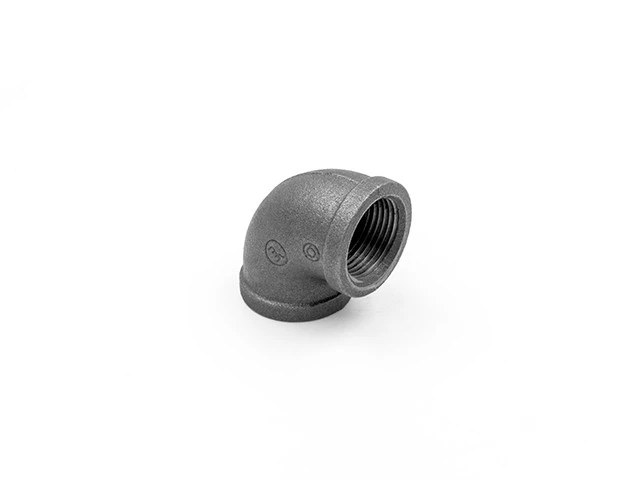
For example, Malleable Iron 90 Degree Elbow is a popular choice for many piping systems. Malleable iron has a relatively smooth surface finish, which helps to minimize the effects of pipe roughness. Additionally, malleable iron is known for its durability and strength, making it suitable for a wide range of applications.
Another option is Bs Standard Cast Iron Pipe Fiting. Cast iron pipes can be manufactured with a smooth inner surface, which reduces friction and improves flow characteristics. However, it is important to ensure that the cast iron pipes are properly coated to prevent corrosion, which can increase roughness over time.
Surface Treatment
Surface treatment is another important strategy for reducing the impact of pipe roughness on Ward Reducing Elbows. There are several methods of surface treatment that can be applied to pipes and elbows to make their surfaces smoother.
One common surface treatment method is coating. Coating the inner surface of the pipe and elbow with a smooth - finish material, such as epoxy or polyethylene, can significantly reduce friction. These coatings act as a barrier between the fluid and the rough pipe surface, allowing for a more laminar flow and reducing pressure drops.
Polishing is another option. By mechanically polishing the inner surface of the pipe and elbow, the roughness can be reduced. This method is particularly effective for small - diameter pipes and elbows, where the relative impact of roughness is more significant.
Flow Optimization
Optimizing the flow in the piping system can also help to reduce the impact of pipe roughness on Ward Reducing Elbows. By ensuring a smooth and laminar flow, the effects of roughness can be minimized.
One way to optimize flow is to design the piping system with proper bends and fittings. Using elbows with a large radius of curvature can reduce the turbulence caused by the change in flow direction. Additionally, avoiding sudden changes in pipe diameter and using gradual transitions can help to maintain a smooth flow.
Another aspect of flow optimization is to control the flow rate. High - flow rates can exacerbate the effects of pipe roughness, as the fluid is more likely to interact with the rough surface. By adjusting the flow rate to an appropriate level, the pressure drops and energy losses can be reduced.

Regular Maintenance
Regular maintenance is essential for keeping the pipe and elbow surfaces smooth and reducing the impact of pipe roughness. Maintenance activities can include cleaning the pipes and elbows to remove any debris or deposits that may accumulate over time.
Inspecting the pipes and elbows for signs of corrosion or damage is also important. Corrosion can increase the roughness of the pipe surface, and if left untreated, it can lead to more serious problems. By detecting and addressing corrosion early, the lifespan of the pipes and elbows can be extended.
System Monitoring
Implementing a system monitoring program can help to detect any changes in the performance of the piping system that may be caused by pipe roughness. Monitoring parameters such as pressure drops, flow rates, and temperature can provide valuable insights into the condition of the pipes and elbows.
If an increase in pressure drop or a decrease in flow rate is detected, it may indicate an increase in pipe roughness. By taking corrective actions promptly, such as cleaning or surface treatment, the impact of pipe roughness can be minimized.
Conclusion
As a Ward Reducing Elbow supplier, I am committed to providing high - quality products and solutions to our customers. Reducing the impact of pipe roughness on Ward Reducing Elbows is an important aspect of ensuring the optimal performance of piping systems.
By selecting the right pipe material, applying surface treatments, optimizing the flow, conducting regular maintenance, and implementing system monitoring, the effects of pipe roughness can be significantly reduced. These strategies not only improve the efficiency of the piping system but also extend the lifespan of the Ward Reducing Elbows.
If you are interested in learning more about our Ward Reducing Elbows or need advice on reducing the impact of pipe roughness in your piping system, please feel free to contact us for procurement and further discussions. We are here to help you find the best solutions for your specific needs.
References
- Incropera, F. P., & DeWitt, D. P. (2002). Fundamentals of Heat and Mass Transfer. John Wiley & Sons.
- Munson, B. R., Young, D. F., & Okiishi, T. H. (2006). Fundamentals of Fluid Mechanics. John Wiley & Sons.