

How to protect Black Iron Tee Fitting from physical damage?
Dec 12, 2025
Hey there! As a supplier of Black Iron Tee Fittings, I've seen firsthand how these little guys are crucial in all sorts of plumbing and piping systems. But, they're also pretty vulnerable to physical damage. So, I thought I'd share some tips on how to keep them in tip - top shape.
Understanding the Basics of Black Iron Tee Fittings
Before we jump into the protection methods, let's quickly talk about what makes Black Iron Tee Fittings so special. These fittings are made from black iron, which is known for its strength and durability. They're used to connect three pipes together at a 90 - degree angle, forming a 'T' shape. They're common in gas lines, water supply systems, and even some industrial applications.
Common Causes of Physical Damage
To protect these fittings, we first need to know what can mess them up. One of the most common causes is impact. If something heavy hits the fitting, it can crack or break. This could happen during construction work, when tools or materials are being moved around. Vibration is another culprit. Over time, constant shaking from machinery or moving fluids can loosen the fittings or cause tiny cracks to form. And let's not forget about corrosion. Although black iron is relatively resistant, if it's exposed to moisture, chemicals, or harsh environments, it can start to rust and weaken.
Storage Protection
When these fittings aren't in use, proper storage is key. First off, find a dry place to store them. A warehouse or a storage shed that's well - ventilated is ideal. Moisture can lead to rust, so keeping them away from damp areas is a must. I like to store the fittings on pallets. This keeps them off the ground, protecting them from any water that might seep in. You can also use plastic sheeting or covers to protect them from dust and debris.
If you're storing a large quantity of fittings, organize them by size and type. This makes it easier to find what you need and reduces the risk of accidentally knocking them around and causing damage. Label the boxes or storage areas clearly. That way, everyone knows where everything is.
Handling During Installation
Installation is a critical time for these fittings. When you're moving them around the job site, be gentle. Use proper lifting equipment like hand trucks or forklifts if necessary. Avoid dropping them or hitting them against hard surfaces.
When it comes to actually installing the fittings, make sure you have the right tools. Using the wrong tools can cause scratches or dents. For example, if you're tightening the fitting, use a wrench that fits properly. Don't over - tighten it either. Over - tightening can cause stress on the fitting, leading to cracks. Refer to the manufacturer's instructions for the correct tightening torque.
Protective Coatings
Applying a protective coating is a great way to safeguard Black Iron Tee Fittings. There are several types of coatings available. One popular option is epoxy coating. Epoxy is tough and resistant to chemicals, corrosion, and abrasion. It forms a strong barrier between the iron and the environment.
Another option is zinc coating. Zinc is known for its anti - corrosion properties. It works by sacrificing itself to protect the iron. When the zinc coating starts to corrode, it forms a layer of zinc oxide that prevents further corrosion of the iron underneath.
Before applying any coating, make sure the fitting is clean and dry. You can use a wire brush to remove any dirt or rust. Then, follow the instructions on the coating product carefully. Apply the coating evenly and let it dry completely.
Support and Bracing
Proper support and bracing are essential to prevent damage from vibration and movement. When installing the Black Iron Tee Fittings in a piping system, use appropriate hangers and supports. The hangers should be spaced at regular intervals to distribute the weight evenly.
For systems that are subject to high vibration, consider using vibration - isolation supports. These can reduce the stress on the fittings and prevent cracks from forming. You can also add braces or brackets to reinforce the fitting and keep it in place.
Inspections
Regular inspections are a must. Check the fittings for any signs of damage, such as cracks, chips, or rust. Inspections should be done at least once a month in high - use systems or after any major event like a construction project or a change in the piping system.
If you notice any damage, it's important to address it right away. Small cracks can be repaired with appropriate welding or repair kits, but if the damage is severe, it might be necessary to replace the fitting.
Related Products
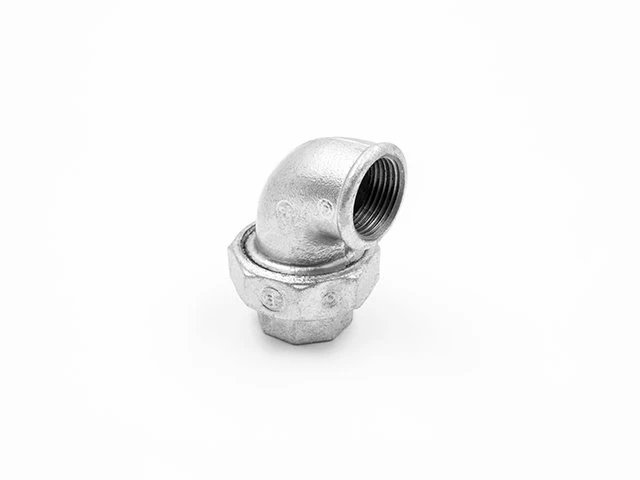
If you're looking for other related products, we also offer 4 Inch Black Pipe Fittings which are great for larger piping systems. For more specialized applications, you might be interested in F.f. Union Elbow with Flat Seat. And if you need something to connect your pipes more securely, Ductile Iron Couplings are a fantastic option.
Conclusion
Protecting Black Iron Tee Fittings from physical damage is all about being proactive. From proper storage to regular inspections, every step counts. By following these tips, you can extend the lifespan of your fittings and ensure a reliable piping system.
If you're in the market for high - quality Black Iron Tee Fittings or have any questions about protecting them, don't hesitate to reach out. We're here to help you with your procurement needs and ensure you get the best products for your project.

References
- Plumbing and Pipe Fitting Handbook
- Iron Fittings Manufacturing Standards and Guidelines