

How to ensure the tight connection of a black iron elbow?
May 12, 2025
As a supplier of black iron elbows, ensuring the tight connection of these fittings is not only crucial for the functionality of the piping system but also for maintaining high - quality standards in our products. In this blog, I'll share some key methods and considerations to achieve a tight connection with black iron elbows.
Understanding Black Iron Elbows
Black iron elbows are made from black - coated iron, which provides a certain level of corrosion resistance. They are commonly used in various piping systems, such as water supply, gas, and heating systems. The design of black iron elbows allows for changes in the direction of the pipe, typically at angles of 45 degrees or 90 degrees.
Surface Preparation
Before making any connection, proper surface preparation is essential. The surfaces of the black iron elbow and the pipes it will be connected to should be clean and free from dirt, rust, and grease. A wire brush can be used to remove loose rust and debris from the threads of the elbow and the pipe ends. For more stubborn rust, a chemical rust remover can be applied. However, it's important to rinse the surfaces thoroughly after using chemical agents to prevent any residue from interfering with the connection.
After cleaning, a light coating of anti - seize compound can be applied to the threads. This compound not only helps in the installation process by reducing friction but also prevents the threads from seizing or galling over time. It is especially useful in applications where the elbow may need to be removed and reinstalled in the future.
Threaded Connections
Threaded connections are one of the most common ways to connect black iron elbows. When using threaded connections, it's important to ensure that the threads on both the elbow and the pipe are of the correct size and type. The most common thread standards for black iron pipes and fittings are NPT (National Pipe Thread) in North America.

To achieve a tight threaded connection, the correct number of turns should be made. Generally, for a standard NPT connection, about 3 - 5 full turns are required after the initial hand - tight engagement. Over - tightening can damage the threads, while under - tightening can lead to leaks. A pipe wrench can be used to provide the necessary torque, but care should be taken not to apply excessive force.
In addition to proper threading and tightening, using thread sealant is highly recommended. Thread sealants, such as Teflon tape or pipe dope, fill the gaps between the threads and prevent leaks. When using Teflon tape, it should be wrapped around the male threads in a clockwise direction, starting about 1/2 turn from the end of the threads. Multiple layers of tape can be applied, depending on the size of the pipe and the application requirements. Pipe dope, on the other hand, is a thick paste that can be applied to the threads with a brush. It provides a more flexible seal and is often preferred in high - pressure applications.
Welded Connections
In some cases, welded connections may be used for black iron elbows, especially in applications where a permanent and extremely tight connection is required. Welding provides a strong and leak - proof joint, but it requires skilled welders and proper welding equipment.
Before welding, the surfaces of the elbow and the pipe should be beveled to ensure proper penetration of the weld. The bevel angle typically ranges from 30 to 45 degrees, depending on the thickness of the pipe. The edges should also be cleaned and pre - heated to reduce the risk of cracking during the welding process.
For black iron elbows, shielded metal arc welding (SMAW) or gas metal arc welding (GMAW) are commonly used methods. SMAW, also known as stick welding, is a versatile method that can be used in various environments. GMAW, or MIG welding, is faster and produces a cleaner weld, but it requires a shielding gas to protect the weld from oxidation.
After welding, the weld should be inspected for any defects, such as cracks, porosity, or lack of fusion. Non - destructive testing methods, such as ultrasonic testing or X - ray testing, can be used to detect internal defects. If any defects are found, they should be repaired before the piping system is put into operation.
Flanged Connections
Flanged connections are another option for connecting black iron elbows, especially in larger - diameter pipes or in applications where disassembly may be required. Flanges provide a flat surface for bolting, which allows for easy installation and removal of the elbow.
When using flanged connections, the flanges on the elbow and the pipe should be of the same size and rating. The gaskets used between the flanges are crucial for achieving a tight seal. There are different types of gaskets available, such as rubber gaskets, asbestos - free gaskets, and metal gaskets. The choice of gasket depends on the application, including factors such as temperature, pressure, and the type of fluid being transported.

The bolts used to connect the flanges should be tightened evenly in a criss - cross pattern to ensure uniform pressure distribution. A torque wrench can be used to achieve the correct tightening torque, which is specified based on the size and type of the bolts and flanges.
Quality Control
As a supplier, we implement strict quality control measures to ensure that our black iron elbows meet the highest standards. Each elbow is inspected for dimensional accuracy, thread quality, and surface finish before leaving the factory. We also conduct pressure testing on a sample basis to ensure that the elbows can withstand the specified pressure without leakage.
In addition to in - house quality control, we source our raw materials from reliable suppliers and follow industry - recognized manufacturing processes. This helps us to produce black iron elbows that are not only of high quality but also reliable in various applications.
Related Products
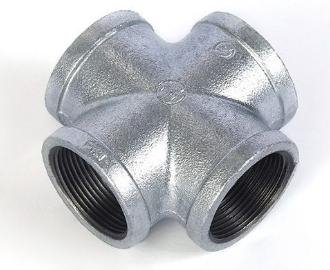
If you are looking for other types of pipe fittings, we also offer a wide range of products, such as Malleable Iron Cross, Black Malleable Female Socket, and Iron Fitting Union Elbows Flat Seat. These products are designed to work seamlessly with our black iron elbows, providing comprehensive solutions for your piping needs.
Conclusion
Ensuring the tight connection of black iron elbows is a multi - step process that involves proper surface preparation, the right connection method, and strict quality control. Whether you choose threaded, welded, or flanged connections, following the best practices and using high - quality materials are key to achieving a reliable and leak - free connection.
If you are interested in our black iron elbows or other pipe fittings, we welcome you to contact us for more information and to discuss your specific requirements. Our team of experts is ready to assist you in finding the best solutions for your projects.
References
- "Handbook of Pipe Fittings" by A. S. M. P. E.
- "Welding Handbook" by American Welding Society.
- Industry standards and guidelines for black iron pipe fittings.