

How to enhance the wear resistance of Ward Reducing Elbow?
Jun 02, 2025
As a trusted supplier of Ward Reducing Elbows, I understand the critical role that wear resistance plays in the performance and longevity of these essential components. In this blog post, I will share some effective strategies and techniques to enhance the wear resistance of Ward Reducing Elbows, ensuring they can withstand the rigors of various industrial applications.

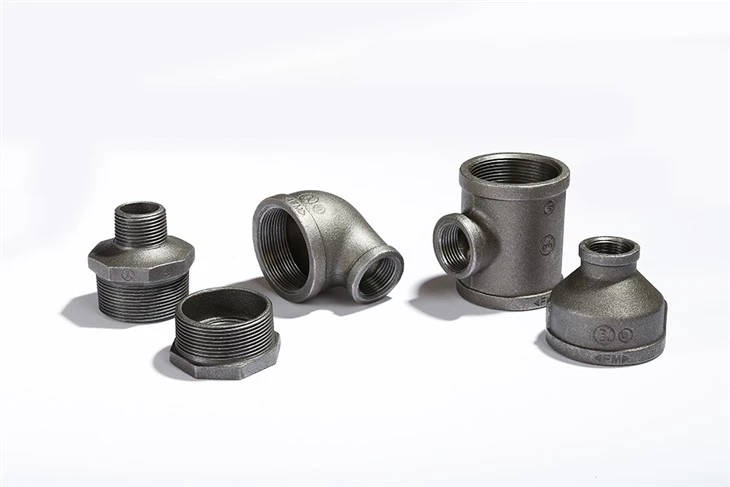
Understanding the Wear Mechanisms
Before delving into the methods of enhancing wear resistance, it is crucial to understand the primary wear mechanisms that affect Ward Reducing Elbows. These mechanisms include abrasion, erosion, and corrosion.
Abrasion occurs when hard particles rub against the surface of the elbow, causing material removal. This can happen in applications where the fluid or gas flowing through the elbow contains solid particles, such as in mining, cement, and power generation industries.
Erosion is similar to abrasion but is caused by the impact of high-velocity fluid or gas carrying solid particles. It is commonly observed in pipelines transporting slurries, wastewater, or steam.
Corrosion, on the other hand, is the chemical reaction between the elbow material and the surrounding environment. It can weaken the structure of the elbow and make it more susceptible to wear. Corrosion is a significant concern in industries where the fluid or gas is corrosive, such as in chemical processing and oil and gas industries.
Material Selection
One of the most effective ways to enhance the wear resistance of Ward Reducing Elbows is to choose the right material. Different materials have different properties and levels of resistance to wear, abrasion, erosion, and corrosion. Here are some commonly used materials for Ward Reducing Elbows and their advantages:
- Carbon Steel: Carbon steel is a popular choice for Ward Reducing Elbows due to its high strength, durability, and relatively low cost. It has good resistance to abrasion and erosion but may be susceptible to corrosion in certain environments. To improve its corrosion resistance, carbon steel elbows can be coated with protective layers such as zinc or epoxy.
- Stainless Steel: Stainless steel is known for its excellent corrosion resistance, making it suitable for applications where the fluid or gas is corrosive. It also has good resistance to abrasion and erosion, although its hardness may be lower than that of carbon steel. Stainless steel elbows are often used in industries such as food processing, pharmaceuticals, and chemical processing.
- Alloy Steel: Alloy steel is a type of steel that contains additional elements such as chromium, nickel, and molybdenum to enhance its properties. It has higher strength, hardness, and wear resistance than carbon steel and stainless steel. Alloy steel elbows are commonly used in high-temperature and high-pressure applications, such as in power generation and oil and gas industries.
- Ceramic: Ceramic materials have extremely high hardness and wear resistance, making them ideal for applications where the fluid or gas contains hard particles. They are also resistant to corrosion and can withstand high temperatures. However, ceramic elbows are more brittle than metal elbows and may require special handling and installation.
Surface Treatment
In addition to material selection, surface treatment can also significantly improve the wear resistance of Ward Reducing Elbows. Surface treatment involves applying a protective layer or coating to the surface of the elbow to prevent or reduce wear, abrasion, erosion, and corrosion. Here are some common surface treatment methods:
- Galvanizing: Galvanizing is a process of coating the surface of the elbow with a layer of zinc to protect it from corrosion. Zinc is a sacrificial metal that corrodes preferentially to the underlying steel, providing long-term protection. Galvanized elbows are commonly used in outdoor applications or in environments where the fluid or gas is slightly corrosive.
- Epoxy Coating: Epoxy coating is a type of organic coating that provides excellent corrosion resistance and adhesion. It can be applied to the surface of the elbow to form a protective barrier against wear, abrasion, and corrosion. Epoxy-coated elbows are often used in industries such as water treatment, wastewater treatment, and chemical processing.
- Ceramic Coating: Ceramic coating is a high-performance coating that provides superior wear resistance and hardness. It can be applied to the surface of the elbow to form a hard, smooth, and durable layer that protects it from abrasion, erosion, and corrosion. Ceramic-coated elbows are commonly used in industries such as mining, cement, and power generation.
- Hardfacing: Hardfacing is a process of depositing a layer of hard, wear-resistant material on the surface of the elbow using welding or thermal spraying techniques. Hardfacing can significantly improve the wear resistance of the elbow and extend its service life. Hardfaced elbows are often used in applications where the fluid or gas contains hard particles or where the elbow is subject to high-impact forces.
Design Optimization
The design of the Ward Reducing Elbow can also have a significant impact on its wear resistance. Here are some design considerations to enhance the wear resistance of the elbow:
- Radius of Curvature: The radius of curvature of the elbow affects the flow pattern of the fluid or gas inside the elbow. A larger radius of curvature can reduce the impact of the fluid or gas on the inner surface of the elbow, thereby reducing wear and erosion. However, a larger radius of curvature may also increase the overall size and cost of the elbow. Therefore, the radius of curvature should be optimized based on the specific application requirements.
- Wall Thickness: The wall thickness of the elbow is another important design parameter. A thicker wall can provide greater resistance to wear, abrasion, and erosion. However, a thicker wall may also increase the weight and cost of the elbow. Therefore, the wall thickness should be selected based on the expected wear rate and the operating conditions of the elbow.
- Smooth Inner Surface: A smooth inner surface can reduce the friction between the fluid or gas and the inner surface of the elbow, thereby reducing wear and erosion. The inner surface of the elbow can be polished or coated with a smooth material to improve its smoothness.
- Flow Distribution: The design of the elbow should ensure uniform flow distribution of the fluid or gas inside the elbow. Non-uniform flow distribution can cause local high-velocity areas and increase the wear and erosion of the elbow. Flow distribution can be improved by using flow straighteners or diffusers upstream of the elbow.
Maintenance and Inspection
Regular maintenance and inspection are essential to ensure the long-term performance and wear resistance of Ward Reducing Elbows. Here are some maintenance and inspection practices to follow:
- Visual Inspection: Regular visual inspection of the elbow can help detect any signs of wear, abrasion, erosion, or corrosion. Visual inspection should be carried out at least once a year or more frequently in harsh operating environments.
- Non-Destructive Testing: Non-destructive testing methods such as ultrasonic testing, magnetic particle testing, and radiographic testing can be used to detect any internal defects or damage in the elbow. Non-destructive testing should be carried out periodically to ensure the integrity of the elbow.
- Cleaning and Lubrication: Regular cleaning and lubrication of the elbow can help remove any dirt, debris, or contaminants that may cause wear and corrosion. Cleaning and lubrication should be carried out according to the manufacturer's recommendations.
- Replacement: If the elbow shows significant signs of wear, abrasion, erosion, or corrosion, it should be replaced immediately to prevent further damage and ensure the safety and reliability of the pipeline system.
Conclusion
Enhancing the wear resistance of Ward Reducing Elbows is crucial for ensuring their long-term performance and reliability in various industrial applications. By choosing the right material, applying appropriate surface treatment, optimizing the design, and following regular maintenance and inspection practices, the wear resistance of Ward Reducing Elbows can be significantly improved. As a supplier of Ward Reducing Elbows, I am committed to providing high-quality products and solutions that meet the specific needs of my customers. If you are interested in learning more about our Ward Reducing Elbows or have any questions or concerns, please feel free to contact us for further information and to discuss your procurement requirements.
References
- ASME B16.9 - Factory-Made Wrought Steel Buttwelding Fittings
- ASTM A234 - Standard Specification for Piping Fittings of Wrought Carbon Steel and Alloy Steel for Moderate and High-Temperature Service
- ISO 9001 - Quality Management Systems - Requirements
Link to related products:
We invite you to contact us for detailed product information and procurement discussions. Our team of experts is ready to assist you in finding the best solutions for your specific needs.