

How to deal with the noise generated by fluid flow through pipes fittings elbow?
Dec 29, 2025
Hey there! I'm a supplier of pipes fittings elbow, and I know firsthand how annoying the noise generated by fluid flow through these fittings can be. Whether you're dealing with a residential plumbing system or an industrial setup, that constant rattling, hissing, or banging can drive you crazy. But don't worry, I've got some tips and tricks to help you deal with this issue.
First off, let's understand why this noise happens. When fluid flows through a pipe and encounters a fitting like an elbow, it changes direction abruptly. This change in direction creates turbulence, which in turn generates noise. The speed of the fluid, the type of fluid, and the design of the fitting all play a role in how much noise is produced.

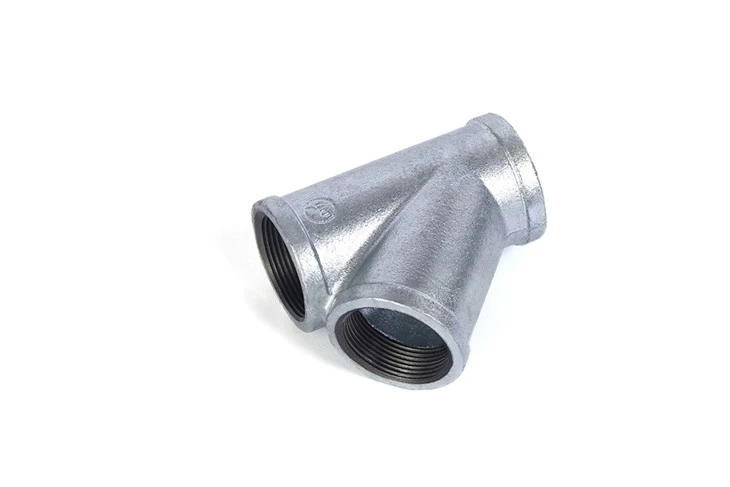
One of the simplest ways to reduce noise is to choose the right type of fittings. For example, 45 Degree Cast Iron Y Fittings can be a great option. These fittings are designed to minimize the abrupt change in the fluid's direction, which helps to reduce turbulence and noise. They're also made of cast iron, which is a heavy and dense material that can absorb some of the noise.
Another good choice is Black Iron Elbow. These elbows are known for their durability and smooth interior surface. A smooth surface allows the fluid to flow more easily, reducing the chances of turbulence and noise. They're also relatively inexpensive, making them a popular choice for both residential and commercial applications.
If you're dealing with a situation where you need to close off a pipe, Black Iron Plugs can be very useful. They can prevent the fluid from flowing into a section of the pipe where it might cause unnecessary noise.
Now, let's talk about some installation techniques that can help reduce noise. When installing pipes and fittings, make sure they're properly supported. If a pipe is hanging loose, it can vibrate when the fluid flows through it, creating noise. Use brackets or hangers to secure the pipes at regular intervals. This will help to dampen the vibrations and reduce the noise.
Another important thing is to ensure that the pipes are properly sized. If a pipe is too small for the amount of fluid flowing through it, the fluid will have to flow at a higher speed, which can increase turbulence and noise. On the other hand, if the pipe is too large, the fluid might not flow smoothly, also leading to noise. So, it's crucial to choose the right pipe size based on the flow rate and the type of fluid.
You can also use insulation to reduce noise. Wrapping the pipes with insulation material can help to absorb the sound waves and prevent them from traveling through the air. There are different types of insulation available, such as foam insulation or fiberglass insulation. Just make sure to choose an insulation material that's suitable for the type of fluid and the temperature conditions in your system.
In some cases, you might need to install a silencer or a noise - reducing device. These devices are specifically designed to reduce the noise generated by fluid flow. They work by either absorbing the sound energy or by changing the way the fluid flows to reduce turbulence. There are different models available on the market, so you can choose one that fits your specific needs.
If you're still having problems with noise after trying these methods, it might be a good idea to consult a professional. A plumbing or engineering expert can take a look at your system, identify the root cause of the noise, and recommend the best solution.
As a pipes fittings elbow supplier, I'm here to help you find the right products for your needs. Whether you're a homeowner looking to fix a noisy plumbing system or a contractor working on a large - scale industrial project, I've got a wide range of high - quality pipes fittings elbow and related products. We offer competitive prices, fast delivery, and excellent customer service.
If you're interested in purchasing our products or have any questions about dealing with fluid flow noise, don't hesitate to get in touch. We can have a detailed discussion about your requirements, and I'm confident that we can find the perfect solution for you. Let's work together to make your fluid flow systems quiet and efficient!
References
- "Fluid Mechanics" by Frank M. White
- "Plumbing Engineering Design and Installation" by David G. Watson