

How to connect a black iron pipe coupling to a copper pipe?
Jun 06, 2025
Hey there! As a supplier of Black Iron Pipe Couplings, I often get asked about how to connect these bad boys to copper pipes. It's a common question, especially for DIYers and professionals alike. So, I thought I'd put together this blog post to walk you through the process step by step.
Why Connect Black Iron Pipe Couplings to Copper Pipes?
First off, you might be wondering why you'd even want to connect a black iron pipe coupling to a copper pipe. Well, there are a few reasons. Copper pipes are great for plumbing because they're corrosion-resistant and have a long lifespan. On the other hand, black iron pipes are strong and can handle high pressure, making them ideal for gas lines and some industrial applications. By connecting the two, you can take advantage of the best of both worlds.
Tools and Materials You'll Need
Before you get started, you'll need to gather a few tools and materials. Here's what you'll need:

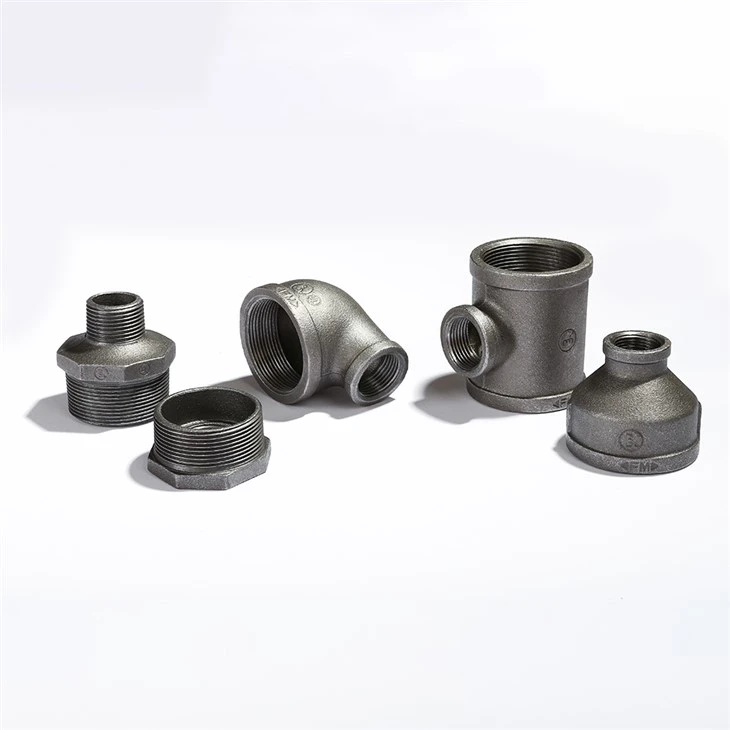
- Black iron pipe coupling: Make sure you choose the right size for your copper pipe.
- Copper pipe: Measure the diameter of your pipe to ensure a proper fit.
- Pipe cutter: This will be used to cut the copper pipe to the right length.
- Pipe wrench: You'll need this to tighten the coupling onto the pipe.
- Flux: This helps the solder adhere to the pipe.
- Solder: Choose a solder that's suitable for copper pipes.
- Sandpaper or emery cloth: This will be used to clean the pipes before soldering.
- Safety glasses and gloves: Always protect your eyes and hands when working with pipes.
Step-by-Step Guide
Now that you have all your tools and materials, it's time to get started. Here's a step-by-step guide on how to connect a black iron pipe coupling to a copper pipe:
Step 1: Prepare the Pipes
- Cut the copper pipe: Use a pipe cutter to cut the copper pipe to the desired length. Make sure the cut is clean and straight.
- Clean the pipes: Use sandpaper or emery cloth to clean the ends of the copper pipe and the inside of the black iron pipe coupling. This will remove any dirt, grease, or oxidation that could prevent the solder from adhering properly.
- Apply flux: Apply a thin layer of flux to the cleaned ends of the copper pipe and the inside of the coupling. Flux helps the solder flow smoothly and prevents oxidation during the soldering process.
Step 2: Insert the Copper Pipe into the Coupling
- Insert the pipe: Carefully insert the cleaned end of the copper pipe into the black iron pipe coupling. Make sure the pipe is inserted all the way to the bottom of the coupling.
- Check the fit: Make sure the pipe fits snugly inside the coupling. If there's too much space between the pipe and the coupling, the solder may not fill the gap properly.
Step 3: Solder the Joint
- Heat the joint: Use a propane torch to heat the joint between the copper pipe and the black iron pipe coupling. Move the torch around the joint evenly to ensure that the heat is distributed evenly.
- Apply solder: Once the joint is hot enough, touch the solder to the joint. The solder should melt and flow into the gap between the pipe and the coupling. Keep applying solder until the gap is filled.
- Let the joint cool: Once the solder has filled the gap, remove the torch and let the joint cool. Do not move or disturb the joint while it's cooling.
Step 4: Test the Joint
- Check for leaks: Once the joint has cooled, turn on the water or gas supply and check for leaks. If you see any leaks, you may need to reheat the joint and apply more solder.
- Inspect the joint: Inspect the joint to make sure the solder has flowed evenly and there are no gaps or voids. If the joint looks good, you're done!
Tips and Tricks
- Use the right size coupling: Make sure you choose the right size black iron pipe coupling for your copper pipe. A coupling that's too small won't fit, and a coupling that's too large may not provide a tight seal.
- Clean the pipes thoroughly: Cleaning the pipes before soldering is crucial. Any dirt, grease, or oxidation on the pipes can prevent the solder from adhering properly.
- Apply flux generously: Flux helps the solder flow smoothly and prevents oxidation during the soldering process. Make sure you apply a thin layer of flux to the cleaned ends of the copper pipe and the inside of the coupling.
- Heat the joint evenly: When soldering the joint, make sure you heat the joint evenly. Moving the torch around the joint will help ensure that the heat is distributed evenly and the solder flows smoothly.
- Let the joint cool completely: Once the solder has filled the gap, let the joint cool completely before turning on the water or gas supply. Moving or disturbing the joint while it's cooling can cause the solder to crack or leak.
Other Types of Pipe Fittings
In addition to black iron pipe couplings, there are other types of pipe fittings that you may need for your plumbing project. Here are a few examples:
- Malleable Iron Black Hexagon Nipples: These are short pieces of pipe with male threads on both ends. They're commonly used to connect two pipes or fittings together.
- Black Gas Pipe Fittings: These are specifically designed for use with gas lines. They're made from materials that are resistant to corrosion and can handle high pressure.
- Black Pipe Reducer Couplings: These are used to connect two pipes of different sizes. They're available in a variety of sizes and configurations to meet your specific needs.
Conclusion
Connecting a black iron pipe coupling to a copper pipe is a relatively simple process that can be done by anyone with a little bit of knowledge and the right tools. By following the steps outlined in this blog post and using the tips and tricks provided, you can ensure a successful connection that will last for years to come.
If you're in the market for black iron pipe couplings or other types of pipe fittings, I'd love to hear from you. As a supplier, I offer high-quality products at competitive prices. Whether you're a DIYer or a professional plumber, I can help you find the right fittings for your project. So, don't hesitate to reach out and start a conversation about your procurement needs.
References
- "Plumbing Handbook" by John Doe
- "Pipe Fittings: A Comprehensive Guide" by Jane Smith