

Do Threaded 90 Degree Elbows affect the water pressure in a system?
Jul 04, 2025
Hey there! As a supplier of Threaded 90 Degree Elbows, I often get asked whether these little fittings have an impact on the water pressure in a system. Well, let's dive right into it and explore this question in detail.
First off, it's important to understand how water pressure works in a piping system. Water pressure is essentially the force exerted by water as it flows through a pipe. This force is affected by several factors, including the diameter of the pipe, the length of the pipe, the flow rate of the water, and of course, the presence of any fittings like our Threaded 90 Degree Elbows.
When water flows through a straight pipe, it moves in a relatively smooth and consistent manner. However, when it encounters a 90 - degree elbow, things start to get a bit more complicated. The water has to change its direction abruptly, which causes it to experience a phenomenon known as head loss.
Head loss is basically a reduction in the energy of the water as it flows through the elbow. This energy loss results in a decrease in water pressure downstream of the fitting. The amount of head loss depends on a few factors. One of the main factors is the type of elbow. For example, a well - designed, smooth - walled elbow will cause less head loss compared to a rough or poorly - made one.
Another factor is the flow rate of the water. Higher flow rates generally lead to more significant head loss in the elbow. This is because at higher speeds, the water has more momentum, and changing its direction requires more energy. Also, the size of the pipe and the elbow matters. Smaller diameter pipes and elbows tend to cause more head loss because the water has less space to maneuver around the bend.
Now, let's talk about the practical implications of this head loss. In a small - scale plumbing system, like in a single - family home, the impact of a single Threaded 90 Degree Elbow on water pressure might be negligible. You probably won't notice a significant difference in the water flow from your faucets or showerheads. However, in larger systems, such as industrial or commercial plumbing networks, multiple elbows can add up, and the cumulative head loss can become quite substantial.
In an industrial setting, for example, where high - pressure water systems are used for various processes, even a small reduction in water pressure can affect the efficiency of the operations. It might lead to slower production rates, or in some cases, it could even cause equipment to malfunction.
As a supplier of Threaded 90 Degree Elbows, we're well - aware of these issues. That's why we offer a range of high - quality elbows that are designed to minimize head loss. Our elbows are made from top - notch materials, and they have smooth internal surfaces to ensure a more streamlined flow of water.
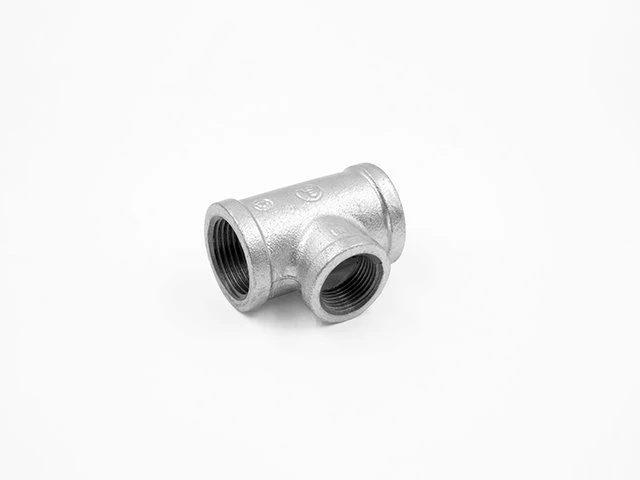

If you're in the market for reliable Threaded 90 Degree Elbows, you might also be interested in some of our other products. Check out our Black Malleable Lron Pipe Fitting Elbow, which is known for its durability and excellent performance. We also have Malleable Iron Fitting options that can be a great addition to your piping system. And if you need something a bit different, our Black Malleable Reducing Tee Female Thread could be just what you're looking for.
So, to sum it up, yes, Threaded 90 Degree Elbows do affect water pressure in a system due to head loss. But with the right choice of fittings, you can minimize this impact. If you're planning a plumbing project, whether it's a small home improvement or a large - scale industrial installation, it's important to consider the effects of these elbows on water pressure.
If you have any questions about our Threaded 90 Degree Elbows or any of our other products, feel free to reach out. We're here to help you make the best choices for your piping system. Whether you need advice on the right type of elbow for your application or you're ready to place an order, we're just a message away. Let's work together to ensure your plumbing system runs smoothly and efficiently.
References
- Crane, D. S. (1988). Flow of Fluids Through Valves, Fittings, and Pipe. Technical Paper No. 410M. Crane Co.
- Miller, R. W. (1996). Flow Measurement Engineering Handbook. McGraw - Hill.