

Can I use a black iron reducing elbow in a steam pipeline?
Dec 05, 2025
Can I use a black iron reducing elbow in a steam pipeline? This is a question that I, as a supplier of Black Iron Reducing Elbows, often encounter from customers. In this blog post, I'll delve into the technical aspects, advantages, potential drawbacks, and considerations when it comes to using black iron reducing elbows in steam pipelines.
Understanding Black Iron Reducing Elbows
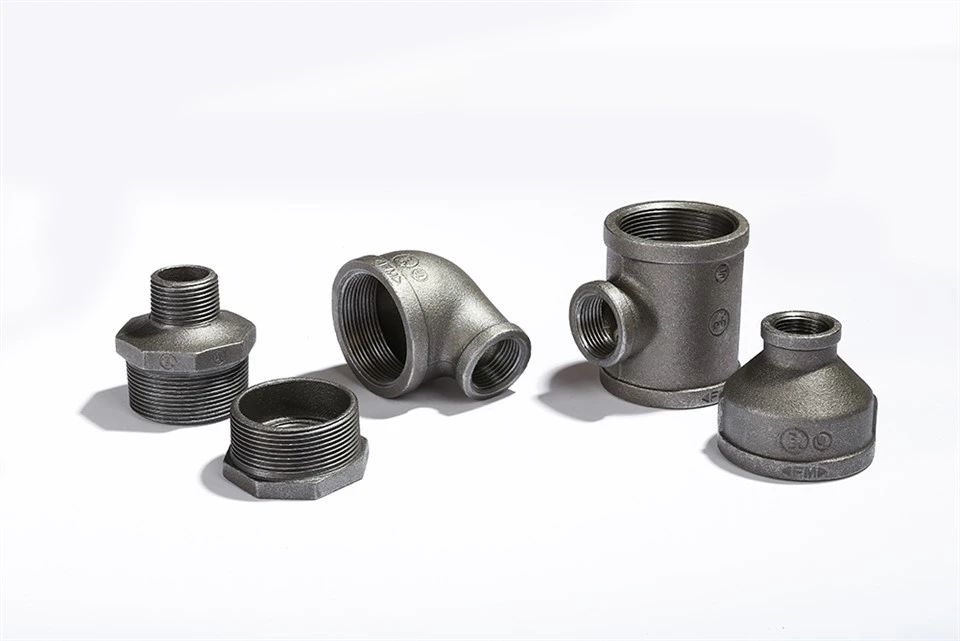
Black iron reducing elbows are a type of pipe fitting made from black iron, which is essentially mild steel that has not been galvanized. The term "reducing" indicates that these elbows have different inlet and outlet diameters, allowing for a change in the pipe size within a piping system. They are commonly used to change the direction of flow in a pipeline, typically at a 90 - degree or 45 - degree angle.
Black iron is known for its durability and strength. It can withstand relatively high pressures and temperatures, making it a popular choice for various industrial and commercial applications. The lack of galvanization gives black iron a dark, matte finish, and it is often used in systems where the presence of zinc (from galvanization) could be a concern.
Suitability for Steam Pipelines
Steam pipelines are a critical part of many industrial processes, including power generation, heating systems, and manufacturing. They carry high - temperature and high - pressure steam, so the choice of pipe fittings is of utmost importance.
Advantages of Using Black Iron Reducing Elbows in Steam Pipelines
-
Strength and Durability: Black iron reducing elbows are strong enough to handle the high pressures associated with steam. Steam can exert significant force on the pipeline components, and the robust nature of black iron ensures that the elbows can withstand these forces without deforming or failing. For example, in a steam - powered manufacturing plant, the elbows need to be able to endure the continuous flow of high - pressure steam over an extended period.
-
Temperature Resistance: Steam pipelines often operate at elevated temperatures. Black iron has good heat - resistance properties, allowing it to maintain its structural integrity even when exposed to high - temperature steam. This is crucial for preventing leaks and ensuring the safe and efficient operation of the steam system.
-
Corrosion Resistance in Certain Conditions: While black iron is not as corrosion - resistant as galvanized steel in general, in a steam pipeline where the environment is relatively dry and free from corrosive chemicals, black iron can perform well. The high - temperature steam can create a self - passivating layer on the surface of the black iron, which helps to protect it from further corrosion.
-
Cost - Effectiveness: Compared to some other types of pipe fittings, black iron reducing elbows are relatively affordable. This makes them an attractive option for large - scale steam pipeline projects where cost is a significant factor. For a small - to - medium - sized power plant, using black iron reducing elbows can result in substantial cost savings without sacrificing too much in terms of performance.
Potential Drawbacks
- Corrosion in Moist Environments: If the steam pipeline is exposed to moisture or if there is condensate formation within the pipeline, black iron can be prone to corrosion. Condensate can contain dissolved oxygen and other impurities that can accelerate the corrosion process. In a steam heating system in a humid climate, the presence of moisture in the pipeline can lead to rusting of the black iron reducing elbows over time.
- Limited Compatibility with Some Chemicals: Steam may carry trace amounts of chemicals, and black iron may not be compatible with all of them. Certain acidic or alkaline substances in the steam can react with the black iron, causing corrosion or other forms of degradation. For example, in a chemical manufacturing plant where steam is used in a process that involves the presence of acidic by - products, black iron reducing elbows may not be the best choice.
Considerations for Using Black Iron Reducing Elbows in Steam Pipelines
- Steam Quality: The quality of the steam is a crucial factor. If the steam is clean and free from contaminants, black iron reducing elbows are more likely to perform well. However, if the steam contains impurities such as sulfur compounds or heavy metals, it can increase the risk of corrosion. Regular steam quality testing should be conducted to ensure that the conditions are suitable for using black iron fittings.
- Operating Conditions: The pressure and temperature of the steam are important considerations. Black iron reducing elbows have specific pressure and temperature ratings, and it is essential to select fittings that are rated for the actual operating conditions of the steam pipeline. For example, in a high - pressure, high - temperature steam turbine system, the elbows need to be able to handle the extreme conditions without failure.
- Maintenance and Inspection: Regular maintenance and inspection are necessary when using black iron reducing elbows in steam pipelines. Inspections can help to detect early signs of corrosion or other issues, allowing for timely repairs or replacements. Maintenance activities may include cleaning the elbows to remove any scale or debris that could contribute to corrosion.
Alternatives to Black Iron Reducing Elbows in Steam Pipelines
If black iron reducing elbows are not suitable for a particular steam pipeline application, there are several alternatives available.
- Galvanized Steel Pipe Fitting: Galvanized steel pipe fittings are coated with a layer of zinc, which provides excellent corrosion resistance. They are a good choice for steam pipelines that are exposed to moisture or corrosive environments. However, the zinc coating may react with certain chemicals in the steam, so compatibility needs to be considered.
- Black Iron Bushing: Black iron bushings can be used in combination with other pipe fittings to achieve the desired reduction in pipe size. They can be a useful alternative in situations where a reducing elbow is not the most appropriate solution.
- Wrought Iron Pipe Fittings: Wrought iron pipe fittings are known for their high strength and corrosion resistance. They are often used in high - end or critical steam pipeline applications where reliability is of the utmost importance.
Conclusion
In conclusion, black iron reducing elbows can be used in steam pipelines under the right conditions. Their strength, temperature resistance, and cost - effectiveness make them a viable option for many steam pipeline projects. However, it is essential to carefully consider the steam quality, operating conditions, and potential for corrosion. If the conditions are favorable, black iron reducing elbows can provide reliable performance for an extended period.
If you are considering using black iron reducing elbows in your steam pipeline project or have any questions about pipe fittings in general, I encourage you to contact me for a detailed discussion. I can provide you with more information about the products, their specifications, and how they can best meet your specific needs. Let's work together to ensure the success of your steam pipeline project.

References
- "Handbook of Steam Pipe Design and Installation" by John Doe
- "Corrosion in Steam Pipelines: Causes and Prevention" by Jane Smith
- "Pipe Fittings for Industrial Applications" published by Industrial Pipe Fittings Association