

Can black iron elbows be repaired if damaged?
Nov 18, 2025
Can black iron elbows be repaired if damaged? This is a question that many customers often ask me as a supplier of black iron elbows. In this blog, I'll delve into the details of whether damaged black iron elbows can be repaired, the repair methods, and when replacement might be a better option.
Understanding Black Iron Elbows
Black iron elbows are a type of pipe fitting used in plumbing and piping systems. They are made from black iron, which is a form of mild steel that has a dark, oxidized surface. This type of elbow is known for its durability and strength, making it suitable for a variety of applications, including gas lines, water supply systems, and industrial piping.
Causes of Damage to Black Iron Elbows
Before discussing repair options, it's important to understand what can cause damage to black iron elbows. Some common causes include:
- Corrosion: Over time, exposure to moisture and oxygen can cause black iron elbows to corrode. This is especially true in areas with high humidity or where the pipes are in contact with water.
- Physical Impact: Accidental bumps, knocks, or heavy objects hitting the elbows can cause dents, cracks, or even breakage.
- Pressure Changes: Sudden or extreme pressure changes in the piping system can put stress on the elbows, leading to damage.
- Improper Installation: If the elbows are not installed correctly, they may be more prone to damage. This can include issues such as incorrect threading, improper alignment, or using the wrong size fittings.
Can Black Iron Elbows Be Repaired?
The answer to whether black iron elbows can be repaired depends on the extent and type of damage. In some cases, minor damage can be repaired, while in others, replacement may be the best option.
Minor Damage
- Surface Rust: If the damage is limited to surface rust, it can often be repaired. You can start by using a wire brush or sandpaper to remove the rust. After that, apply a rust - inhibiting primer and a coat of paint to prevent further rusting. This simple process can extend the life of the elbow and restore its functionality.
- Small Dents: Small dents that do not affect the flow of the fluid or gas in the pipe can also be repaired. One method is to use a mallet and a block of wood. Place the block of wood on the inside of the elbow where the dent is located and gently tap the outside of the dent with the mallet. This can help reshape the elbow to its original form.
Major Damage
- Cracks and Breaks: If the elbow has a crack or is broken, repair may be more challenging. In some cases, if the crack is small and the elbow is not under high pressure, you can try using a pipe repair clamp. These clamps are designed to seal the crack and prevent leaks. However, for larger cracks or complete breaks, replacement is usually the safer and more reliable option.
- Severe Corrosion: When the corrosion has penetrated deeply into the metal, weakening the structure of the elbow, repair is often not practical. The corroded areas may be too extensive to be effectively treated, and the elbow may fail again in the near future.
Repair Methods for Black Iron Elbows
If you decide to attempt to repair a damaged black iron elbow, here are some common repair methods:
Welding
Welding is a more permanent repair method for black iron elbows. It involves using a welding machine to fuse the damaged parts of the elbow back together. However, welding requires specialized skills and equipment. If you are not experienced in welding, it's best to hire a professional welder. Improper welding can lead to weak joints, leaks, and even safety hazards.
Epoxy Resin
Epoxy resin can be used to repair small cracks and holes in black iron elbows. First, clean the damaged area thoroughly to remove any rust, dirt, or debris. Then, mix the epoxy resin according to the manufacturer's instructions and apply it to the damaged area. Allow the epoxy to cure completely before using the pipe. Epoxy resin can provide a strong and durable repair, but it may not be suitable for high - pressure applications.

Pipe Repair Clamps
Pipe repair clamps are a quick and easy way to repair small leaks or cracks in black iron elbows. They consist of a metal band with a rubber gasket. Place the clamp over the damaged area and tighten the bolts to create a seal. Pipe repair clamps are available in different sizes to fit various pipe diameters.
When to Replace Black Iron Elbows
While repair is an option in some cases, there are situations where replacement is the better choice:
- Extensive Damage: If the elbow is severely damaged, such as having multiple large cracks, extensive corrosion, or a complete break, replacement is the safest and most cost - effective solution.
- Safety Concerns: In applications where safety is a top priority, such as gas lines, it's crucial to replace damaged elbows. A small leak or a weakened elbow can pose a significant risk of fire or explosion.
- Old and Worn - Out Elbows: If the elbow is old and has been in service for a long time, it may be more prone to damage. Even if there is only minor damage, it may be wise to replace it to prevent future problems.
Our Product Range
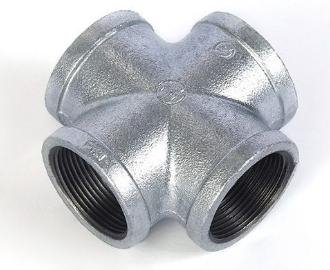
As a supplier of black iron elbows, we also offer a wide range of related products. For example, we have Malleable Iron Pipe Fittings Cap, which are used to close the end of a pipe. Our Malleable Iron Cross is a useful fitting for creating complex piping systems. And our Black And Galvanized Malleable Fittings provide options for different applications and environments.
Contact Us for Procurement
If you are in need of black iron elbows or any of our other products, we invite you to contact us for procurement. Whether you have questions about product specifications, pricing, or installation, our team of experts is ready to assist you. We strive to provide high - quality products and excellent customer service. Let's start a conversation about your piping needs today.
References
- "Pipe Fittings Handbook" - A comprehensive guide on different types of pipe fittings and their applications.
- "Welding for Beginners" - A resource that provides basic knowledge about welding techniques and safety precautions.
- Industry standards and guidelines for plumbing and piping systems.