

Can a Black Iron Cross Fitting be used in high - temperature systems?
May 27, 2025
As a supplier of Black Iron Cross Fittings, I often receive inquiries from customers regarding the suitability of these fittings for high-temperature systems. This blog post aims to provide a comprehensive analysis of whether Black Iron Cross Fittings can be used in high-temperature environments, drawing on scientific knowledge and practical experience in the industry.
Understanding Black Iron Cross Fittings
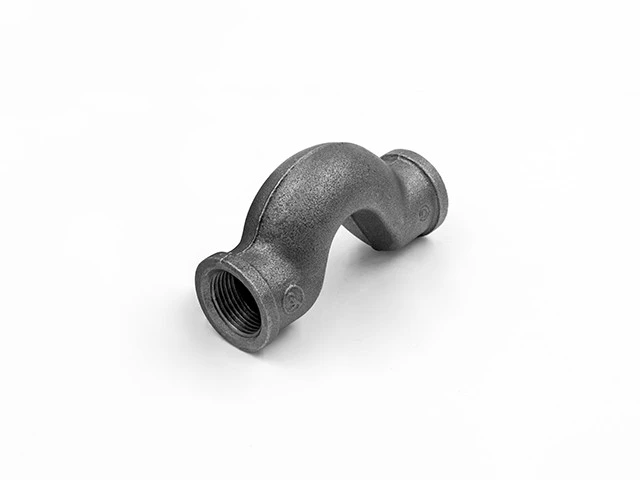
Black Iron Cross Fittings are a type of pipe fitting made from black iron, which is a form of wrought iron with a black oxide coating. This coating provides some level of corrosion resistance, making the fittings suitable for a variety of applications, including water supply, gas distribution, and general plumbing. The cross shape of these fittings allows for the connection of four pipes at right angles, providing a convenient way to create complex piping systems.
Material Properties and High-Temperature Resistance
The key to determining whether Black Iron Cross Fittings can be used in high-temperature systems lies in understanding the material properties of black iron. Black iron is primarily composed of iron with a small amount of carbon and other impurities. At high temperatures, several factors come into play that can affect the performance of the fittings.
Thermal Expansion
One of the most significant concerns in high-temperature systems is thermal expansion. As the temperature of the pipe and fittings increases, they expand. If the expansion is not properly accounted for, it can lead to stress buildup, which may cause the fittings to crack or fail. Black iron has a relatively high coefficient of thermal expansion, which means it expands more than some other materials when heated. This expansion needs to be carefully considered when designing a high-temperature piping system.
Oxidation
Another issue is oxidation. At high temperatures, the black oxide coating on the fittings may break down, exposing the underlying iron to oxygen. This can lead to rusting and corrosion, which can weaken the fittings over time. The rate of oxidation increases with temperature, so in very high-temperature systems, this can be a significant problem.
Mechanical Strength
The mechanical strength of black iron can also be affected by high temperatures. As the temperature rises, the yield strength and ultimate tensile strength of the iron decrease. This means that the fittings may be more prone to deformation or failure under pressure at high temperatures.

Applications in High-Temperature Systems
Despite these potential challenges, Black Iron Cross Fittings can still be used in some high-temperature systems, depending on the specific conditions.
Moderate High-Temperature Applications
In systems where the temperature is moderately high, typically up to around 200°C (392°F), Black Iron Cross Fittings can often be used with proper design and installation. For example, in some industrial heating systems or hot water supply systems where the temperature does not exceed this range, these fittings can provide a cost-effective solution.
Short-Term High-Temperature Exposure
If the high-temperature exposure is short-term or intermittent, Black Iron Cross Fittings may also be suitable. In such cases, the thermal expansion and oxidation effects may be less severe, and the fittings can withstand the conditions without significant damage.
Mitigating Factors and Considerations
To use Black Iron Cross Fittings in high-temperature systems, several mitigating factors need to be considered.
Expansion Joints
To accommodate thermal expansion, expansion joints can be installed in the piping system. These joints allow the pipes and fittings to expand and contract without causing excessive stress. Properly designed expansion joints can significantly reduce the risk of cracking or failure due to thermal expansion.
Protective Coatings
Applying additional protective coatings to the Black Iron Cross Fittings can help prevent oxidation. There are various types of high-temperature coatings available that can provide a barrier between the iron and oxygen, reducing the rate of corrosion.
System Design
The overall design of the high-temperature system is crucial. The piping layout should be designed to minimize stress on the fittings, and proper support should be provided to prevent excessive movement. Additionally, the system should be monitored regularly to detect any signs of damage or corrosion.
Comparison with Other Fittings
When considering high-temperature applications, it's also important to compare Black Iron Cross Fittings with other types of fittings. For example, stainless steel fittings are known for their excellent high-temperature resistance. They have a lower coefficient of thermal expansion, better oxidation resistance, and higher mechanical strength at high temperatures. However, stainless steel fittings are generally more expensive than Black Iron Cross Fittings.
Another option is Malleable Iron 85 Cross Over. Malleable iron has some properties that make it suitable for certain high-temperature applications. It has better ductility than black iron, which can help it withstand some thermal stress. However, like black iron, it also has limitations in terms of oxidation and high-temperature strength.
Conclusion
In conclusion, Black Iron Cross Fittings can be used in high-temperature systems under certain conditions. For moderate high-temperature applications or short-term exposure, with proper design, installation, and mitigation measures, these fittings can provide a viable solution. However, in very high-temperature or continuous high-temperature environments, other types of fittings may be more suitable.
If you are considering using Black Iron Cross Fittings in a high-temperature system, I encourage you to consult with a professional engineer or contact me for more detailed advice. We can discuss your specific requirements and help you determine the best solution for your project. Whether you need 41 Long Sweep Bends 45° ISO EN, Malleable Iron 85 Cross Over, or Galvanised Malleable Iron Pipe Fittings, we have a wide range of products to meet your needs. Feel free to reach out to us for further discussions on procurement and to explore how our fittings can fit into your high-temperature system.
References
- ASME B31.1 Power Piping Code
- ASTM A120 Standard Specification for Malleable Iron Pipe Fittings
- "Piping Handbook" by George E. Totten